

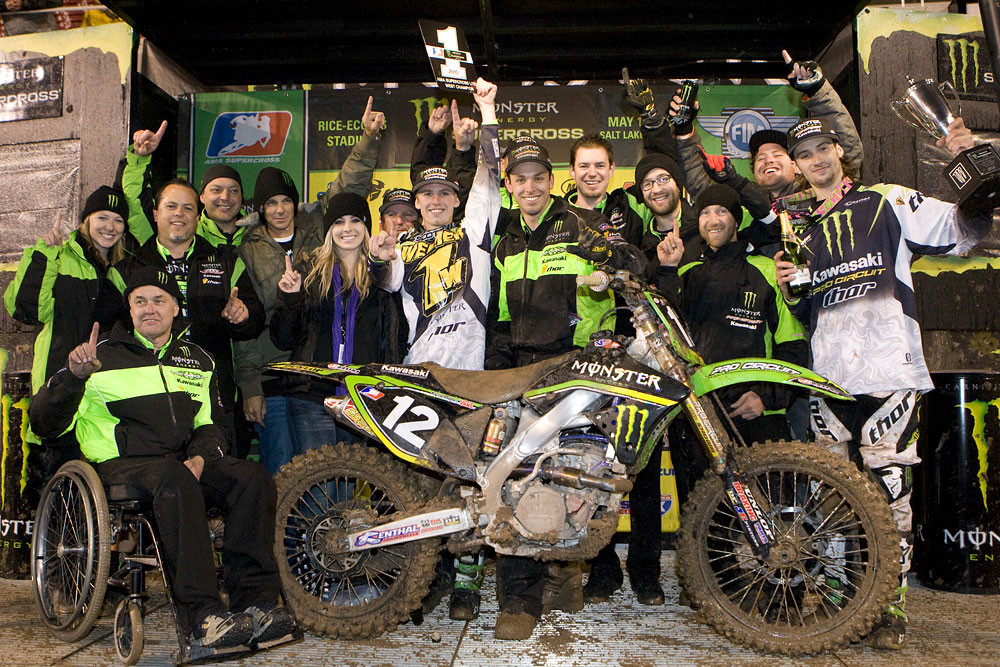
Few riders understand the highs and challenges of professional Motocross and Supercross quite like Jake Weimer. From achieving the ultimate dream of lifting a Supercross title in 2010 to battling through the demanding 450cc class and sharing an awning with legends like Ryan Villopoto, Weimer’s career offers a candid look at what it really takes to compete at the very top. Now retired from full-time racing and spending time mentoring the next generation, the former Kawasaki factory rider reflects on the defining moments of his journey, the realities behind the results, and how he views the sport today.
GateDrop: Jake, just before we get into the GP stuff, I want to touch on your career a little bit. So, take me back to 2010, probably the best season of your life really, winning a Supercross title. Just how would you reflect on that when you think back there? It’s a lot of hard work to win a race, never mind a Supercross title!
Weimer: I mean, a lot of good memories and that was the pinnacle. From being a child and having goals and dreams of winning a Supercross championship. I have great memories for sure, it really was a big, big part of my career. You know, that stint in my career, those handful of years right in there was great. Riding for Pro Circuit at that time and just everything about kind of what I had going on was just really enjoyable. There’s a lot more in between there, but a general view of it is just really rewarding and for lack of better words, a dream come true.

GateDrop: I can’t remember exactly, we’re going back 16 years old here, but can you take me back to the first Supercross event you won, where it was and how you felt, you know, to stand up on top of that top step of the podium, it’s a lot of hard work goes into it and commitment…
Weimer: Of course, I mean, I do remember clearly the first one I won was in 2008 in Phoenix and I felt terrible. The weekend before I tore my shoulder, my labrum in my shoulder, so when I actually went to that event, I didn’t have intentions on racing. I was going to see how I felt, tape it all up and see how I felt, and it was good enough to go race and ended up winning that night, so I remember it very well.
GateDrop: In 2012, you’re on the 450, I think that was a really good year for you, third in Motocross and fifth in Supercross, that was a really good year for you and you were still learning on the 450, so you must have been happy with that year!
Weimer: Yeah, that was my best year on the 450cc for sure. In 2011, I got hurt, I think I could have done pretty good, but I was injured for a good part of that year. For 2012, I was healthy and it was definitely my best 450cc year. At that point I had high goals and at that point, I felt like everything was on track, so again, good memories, a great year and like you said, a lot of hard work jumping into that 450cc class. That wasn’t a surprise though, I had been around long enough at that point that I knew the challenge that was in front of me. Overall it was a really good year.
GateDrop: Obviously, you were very early in your 450cc career, at the end that season, you probably thought you were going to go on and achieve a lot more, but does it put it into perspective of how tough this sport is and you just have to take it year by year?
Weimer: I mean, there’s a lot that goes into it and for me, for whatever reason, the following year, I just a lot of really minor like injuries. I kind of got banged up a little bit, it was nothing serious and nothing that I really had to take time off. I did miss a race or so, I got really sick, but that’s just part of it. We travel so much and you’re subject to your immune system and flying so much. It’s just very difficult – the training, the preparation and riding well, that’s only just one part of it. There’s the stuff that’s kind of out of your hands a little bit, like being sick or dabbing your foot on the ground and twisting your ankle. There were challenges for sure, but I mean, everyone kind of deals with it for the most part and that’s how my story went. But it was good and I tried hard.
GateDrop: I would like to touch on Ryan Villopoto a little bit, you were his teammate for a number of years, what was it like being his teammate and were you able to learn plenty from him? I mean, the man is an animal on a bike?
Weimer: It even goes further back than when Ryan and I were teammates. I grew up racing with Ryan as teenagers and we were buddies then. We maybe didn’t see each other super, super often, but we were buddies then and then it carried into the professional stuff. He got on the 450cc a couple years before I did. He had really quick success in the Lites class as we call it in America. He got into that 450cc class a little quicker than me but I mean, it really was a great scenario to be training with him. We also shared the same trainer for a lot of years, a couple different times, so being able to train and on a daily basis be doing the dirty work, if you will, with us. I mean, being teammates with Ryan, this really was a good scenario where we were buddies and it’s always nice, to have somebody to do your dirty work with, the tough cycles, the tough gym, the long motos, I think it’s always beneficial to have a training partner and then when him and I were buddies, it definitely made it more enjoyable.
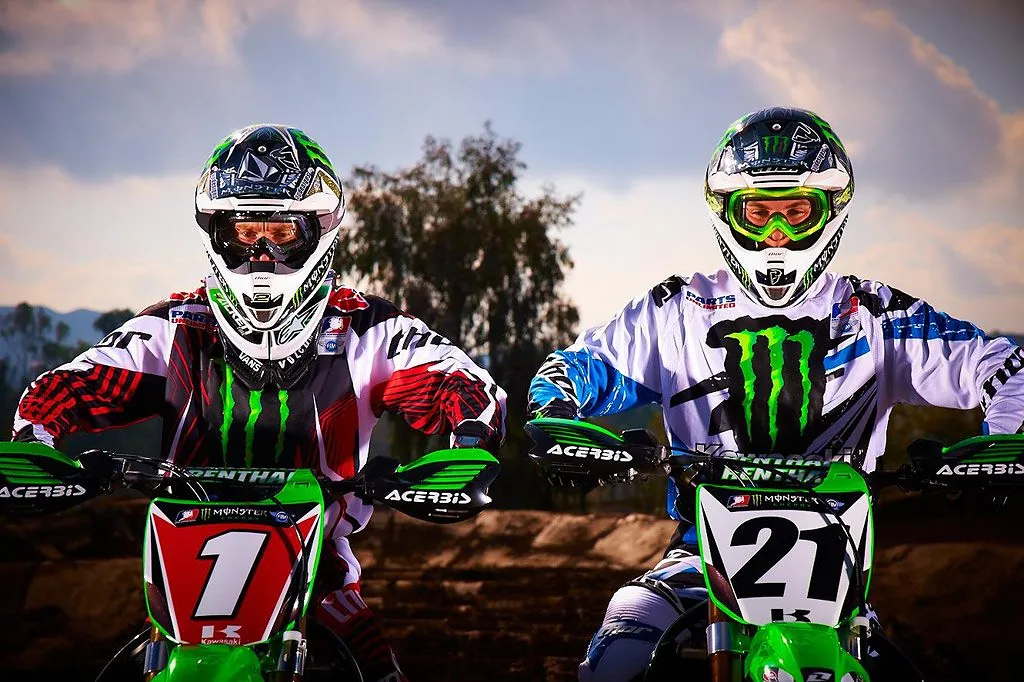
GateDrop: I mean, RV was winning everything in America, what was it like being his teammate, you’re still going very fast on the dirt bike yourself, but he’s getting all the limelight, did you ever feel you were in his shadows, was that tough or did it not really bother you?
Weimer: A lot of people ask me that and I think the best way I can answer it is, whether I’m right or wrong, I kind of always felt like that was kind of the story of my career. I was always the underdog. I don’t think that in the time it did bother me, I felt like I was accustomed to that. Being where I am now, retired and 38 years old, I think that I can see where that probably maybe wasn’t always the best for me. But I never felt that way in the moment. I think I always understood why as a competitor, but also being there, training with him and he deserves everything that he got. I was able to identify that, it was all earned on his behalf so there was never any animosity or jealousy. I knew why Ryan was getting what he was getting in the attention, Ryan was winning everything. It was maybe a double-edged sword, I didn’t really feel that in the time and to me it made sense. You win then you get the attention and that’s how this sport works. It’s a very result-driven business and so I always understood why. I never had any ill feelings or anything like that, I always really just had a lot of respect for him. I knew how difficult it was and I was there with him on a day-to-day basis. For me, I have a lot of respect for what he accomplished. Like I said, being retired and much removed from it now, I think that maybe at times it probably wasn’t the best for me in my career, but nothing but respect for him.
GateDrop: Whenever the news came out, he was coming to race MXGP. I mean what were your expectations for him coming here? I feel like him coming over here and not winning, you know, European riders get a lot more respect now in America. Maybe not, but that’s what I feel.
Weimer: I can tell you from my point of view, I have never seen or heard anything about that really anymore. I know at times the internet beef gets pretty heavy, but looking through it from a racer’s lens, I’ve never heard RV or anybody in USA be like, “Oh, we’ll smoke the Euros”, I’ve never seen that and I think there’s a lot of respect. I don’t know this but I don’t assume that RV thought he was going to come over and just walk all over everybody. I wasn’t a part of that conversation anyway. As a racer and being around guys at a very top level, like RV, there’s nothing but respect for the most part. I don’t think anybody at that level is naive to it really for the most part. I think there’s a lot of respect and I guess I don’t really know what his expectations were, I didn’t know either. I, I mean, I assumed he would be pretty good and would be able to fight for wins. His European trip was pretty short lived and at this track (Arco di Trento). It would have actually been cool to be able to see him do the whole series.
GateDrop: A few questions on Kawasaki. Firstly, what was your time like at that team? Obviously, they’re having quite a time of it at the minute with the Jorge Prado thing behind them and now Chase Sexton, probably not at his total best, but what was your time with that team like?
Weimer: Again, it’s like a double-edged sword. It was difficult, it was tough. My time at Pro Circuit Kawasaki was phenomenal, it was really a dream job. Then moving to Factory Kawasaki, it was learning, learning and getting into that 450cc class and it was a struggle. I struggled with the machine, we didn’t really have a lot of options, and it was constantly kind of walking a tightrope. We could go on with that for a long, long time because you’re trying to hold a job and then you maybe need a job the following year. You’re trying to produce results and it gets difficult. It was tough because I built relationships with everybody and really liked everybody, you become friends and then you have that friendship relationship, but then on Saturday it’s a working relationship and it’s tough because those lines can get blurred. It’s hard because, I spent some years really struggling, for lack of better words, and it wasn’t always great as far as going to dinner and being friends… It was great, it was awesome and I’m appreciative of that, but there were some sides of it as well that were a challenge to say the least.
GateDrop: When it came to the bike, did it feel like you were being listened to? I think Prado probably feels that, but at least with Chase it looks like they’re trying to do everything to get him comfortable, which is good to see…
Weimer: I’m not sure how to answer that. I think that I was heard, I think it may have been more of a situation of not really knowing how to get where I was wanting to go. I think that it was always kept respectful and handled as good as it probably could, but there was challenges for sure. I was after a certain direction in the motorcycle, and we couldn’t get there and again, that could be another 15 minute answer that I could go on and give you my side of maybe what happened or why I think we couldn’t get there. That was the frustration for sure.
GateDrop: You were in Germany, I think at the end of last year, doing a supercross. How did you enjoy that and are you going to continue racing or what’s the plan?
Weimer: I had a great time. I wasn’t looking for anything, it was not on my bingo card, but an opportunity came to me and I sat on it for a week or 10 days and decided. You know what, I did it for all the right reasons. I had fun, I enjoyed it, I still love riding. As far as the future goes, I don’t know. If something shows up and it sounds like fun, then yeah, sure, why not? If someone says, hey, do you want to race Sardinia next year? Yeah, probably not (laughs). I’m probably going to pass on that one. I know my place and I feel fortunate that I can enjoy it at this time in my life and still feel like I ride good enough that it’s still fun.
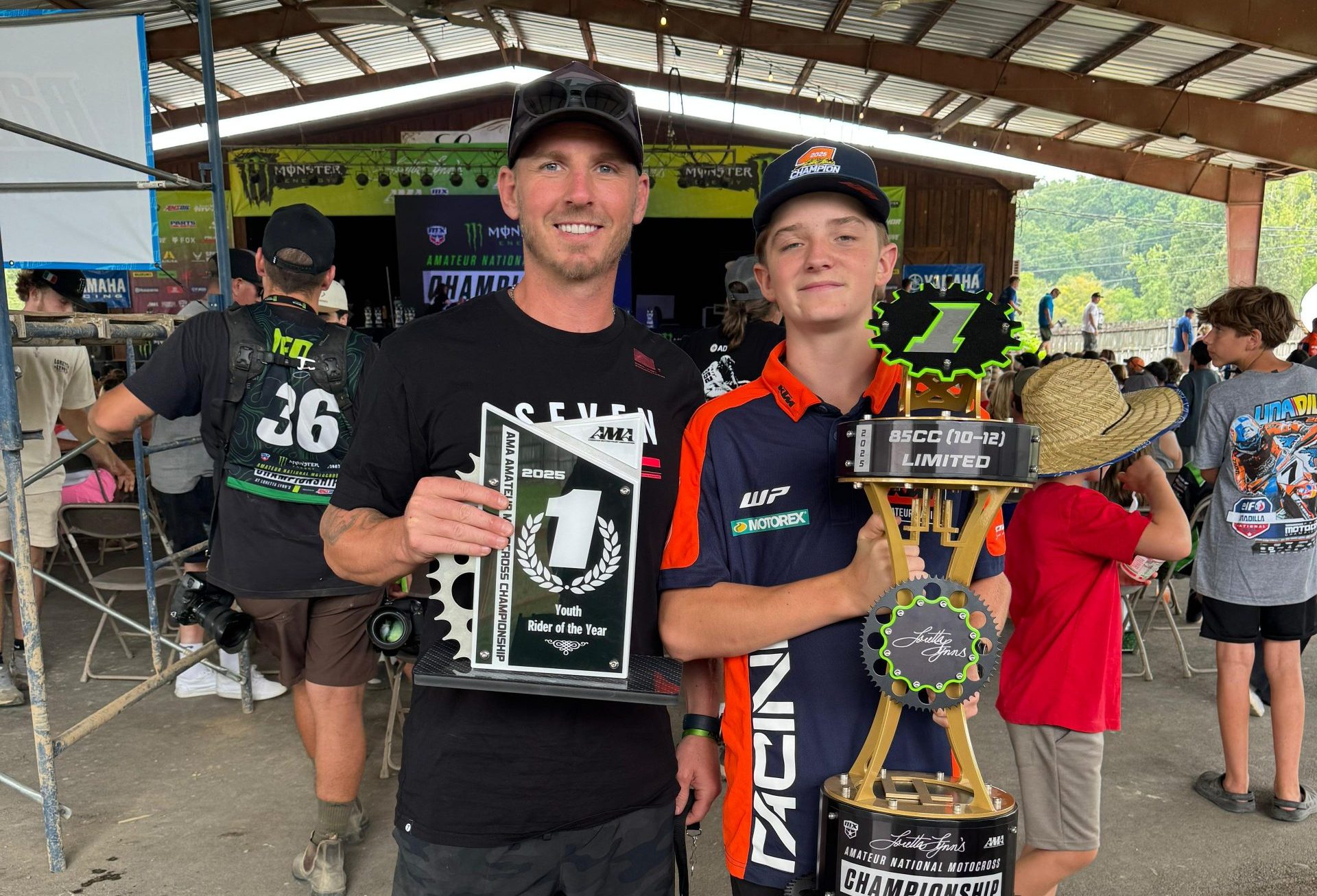
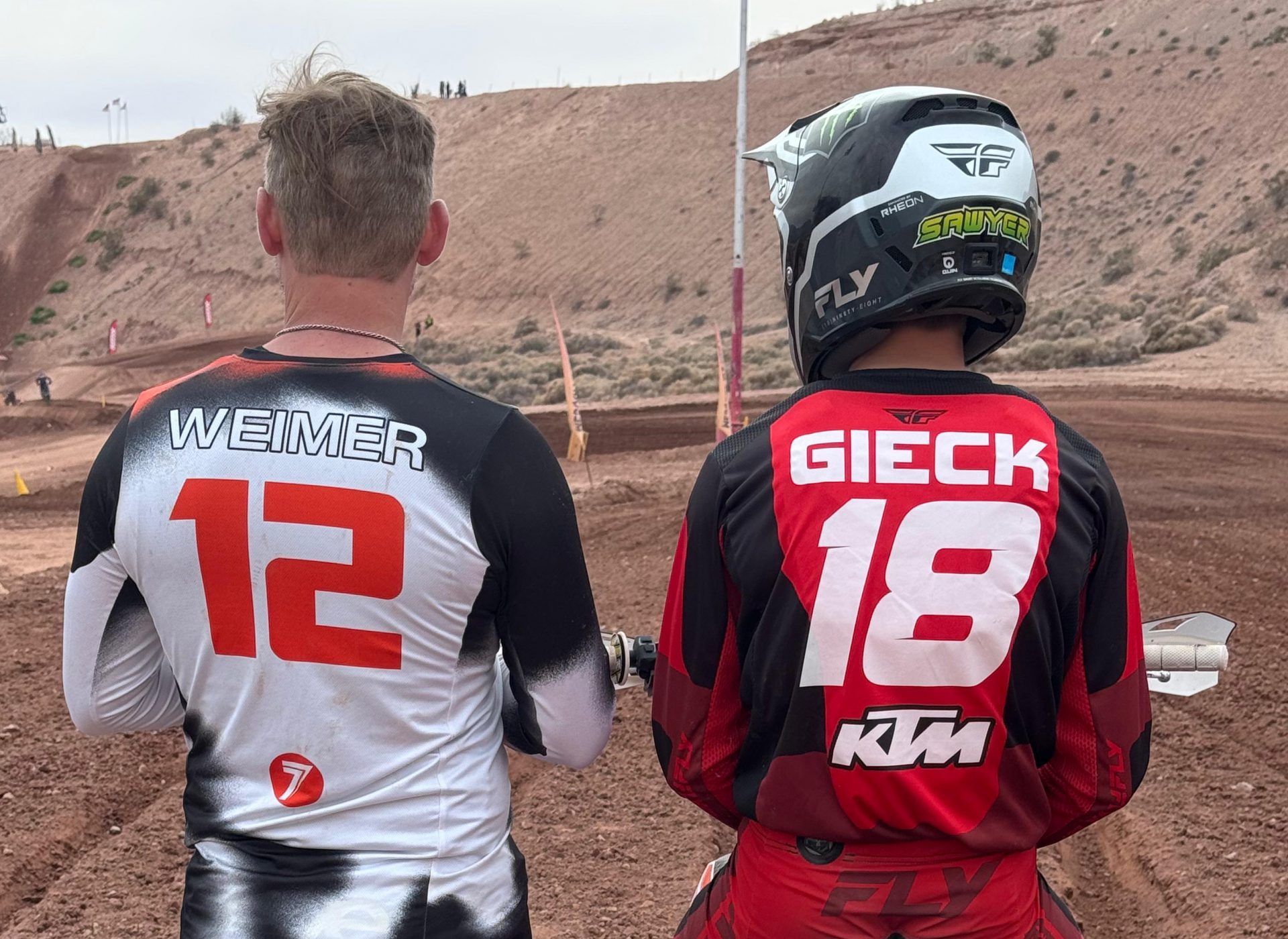
GateDrop: You are coaching young Sawyer Geick from America. How long have you been working with him for and how did it all come about to start with him – do you coach other riders or is it just him at the moment?
Weimer: I’ve known the Geick’s since Sawyer was on a 50cc and always kind of helped just a little bit here and there. I’ve been very hands-on for probably about a year and a half now and with him a lot. I will help other guys kind of here and there if it fits in and I’m available or whatever. But he really is kind of my only dude that I help and really just because I’m with him so much. There’s a couple of times some other guys will jump in with us and we’ll do some work with them, but for the most part, it’s just him.
GateDrop: And you’re over in Europe, I think this is maybe your third week now over in Europe. France, Sardinia and Italy. How are you taking it all in? Are you enjoying it? Is this the first time you’ve been in Europe for this amount of time?
Weimer: I’ve been to Europe several times. I’ve never been for this long of a period. I enjoy it and it’s nice to travel and see something nice and just experience. It’s all cliche, but you know, different cultures and different food. We’ve stayed at some really cool places and on the ocean. If you like motorcycles and like doing what I’m doing, you can’t really beat it. So yes, I’ve enjoyed it.
GateDrop: Can I get your take on Sardinia? What was your thoughts firstly of all being in the GP paddock? Sardinia is a bit of a weird one because there’s not many fans there, but in terms of the setup and things like that, how’d you find it all?
Weimer: I had a pretty good idea of what we were getting into. I’d actually never been to a GP. I done the MXoN years ago, so I was already kind of familiar with like the Parc Ferme, where the mechanics don’t go with the rider to the line and just stuff like that, we don’t do in America. I was already familiar with kind of their operation, if you will. I wouldn’t say anything has really shocked me. I follow it close enough. I’m not going to say I watch it like a hawk, but I follow it close enough that I kind of have a pretty good idea of what’s going on. I know about the sand in Europe. I’ve been to Lommel, I’ve not ridden it but I’ve been there and seen it. You know, we talk about it in America. We know the sand rounds are really gnarly. It’s not something that we really do in America. I’m familiar with it for the most part but it is cool to see it and be there. The GP classes right now are really fun to watch and have some great riders. I always have been, and I’m still a fan of the sport. To see those top MXGP guys, it’s cool and I like it.
GateDrop: Regarding Sawyer. I mean, what did you think of his performance in Riola? Obviously, with the results he got a bit of unlucky, I think, bike issues, but in the first moto especially, I think he was in around the top 10 and 14 years old, I believe, and probably never raced a track like that before. You must have been pretty happy with how he was getting on there.
Weimer: For sure. I’ve spent enough time with Sawyer that I know his capabilities, but it’s nice to come and see him execute. No doubt there’s some challenges for him. Qualifying is really difficult. It’s not something we do in the States as amateurs, not until you get to the pro stuff. So it definitely had some challenges for him. But like you mentioned, that first moto in Sardinia, I thought he did a great job just coming through the pack and just keep trucking, keep grinding and hang in there. I thought he did a great job so no doubt he’s battled some adversity, had a few freak bike failures that have happened. It’s really not in anybody’s control.
So, there has been challenges, but as a whole and part of why we decided to come over here for him was just to make sure the blinders are off. Like, hey, there’s other racing and it’s different, it’s rough, it’s sandy and it’s just different. For his development as a young motocross racer, I think it is really beneficial for him. What brought us over here was truly that – for him to gain some experience and do some different racing and it’s been exactly that.
GateDrop: Watching Lucas Coenen and Jeffrey Herlings race in the deep sand, I’ve seen it plenty of times and it still blows my mind. That was maybe the first time you’ve seen them in person. You can watch it on TV all you want, but it’s completely different in person. What was your take on seeing those two live and that stuff – it’s unbelievable, isn’t it?
Weimer: I mean, I don’t really know what to say. I guess it would maybe be the equivalent for some Europeans coming over and watching a top Supercross guy. I don’t know, but it’s feels like that. I’m aware of the level, but like you said, to watch it in person, it’s cool for me. It doesn’t necessarily shock me because I know how good they are. I’m aware, but it is cool to see it in person. I guess the same thing is if you show up at a golf tournament and watch one of the top PGA guys drive it off the box. You do know that they’re good at it, but to see it in person is just different.
GateDrop: Thank you very much for your time. That was an amazing interview and longer than I was expecting so thank you very much.