
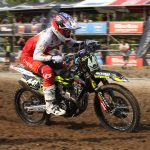
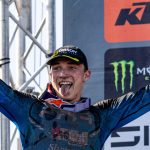
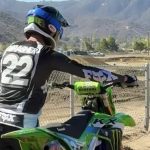
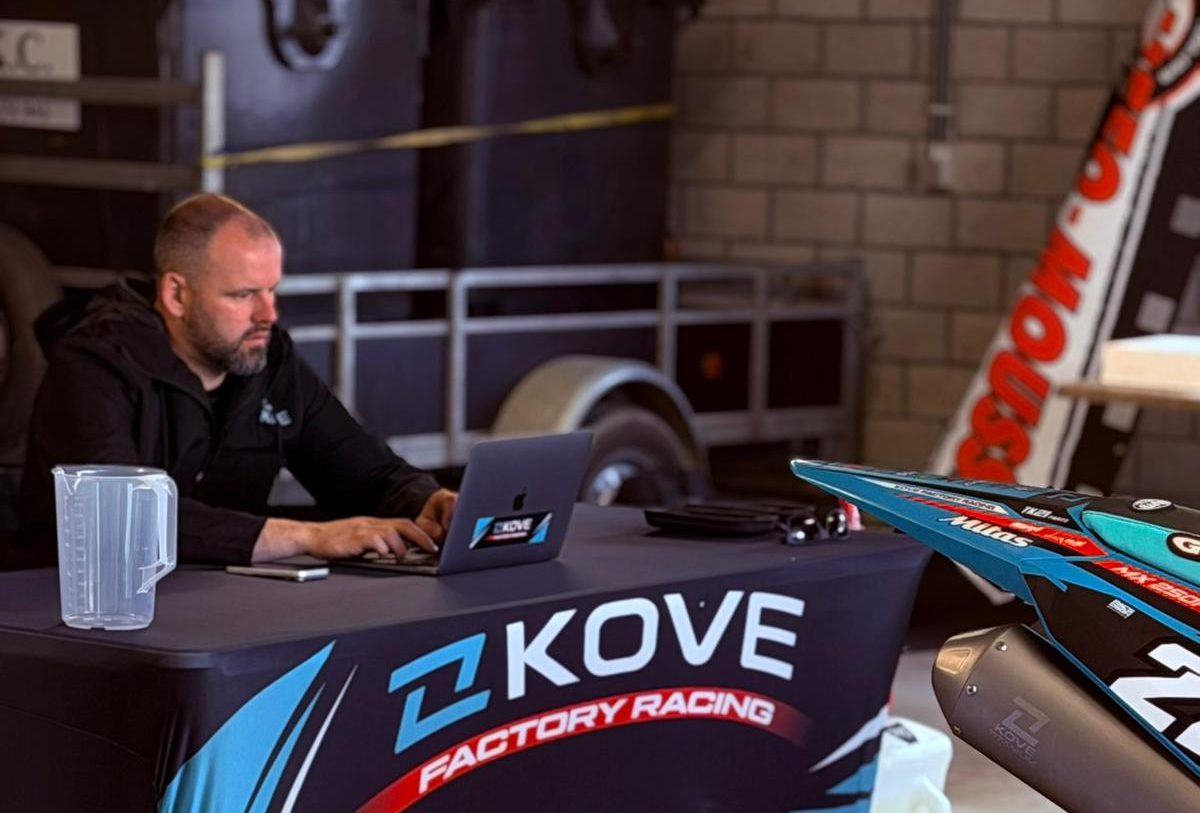
A new Chinese manufacturer entering the MXGP paddock is news in itself. But from 2027 onwards, Kove is taking things a step further. Instead of gaining experience in the lower EMX classes, the manufacturer has opted to take on the toughest challenge straight away: MXGP. With two factory riders, its own team and the ambition to establish itself among the established names in the class.
The man leading the project is no stranger to the international motocross scene. Belgian Tom Steensels will take on the role of team manager, facing a major challenge in the process. A new brand, a new motorcycle and an organisation that still has to prove itself at the highest level.
How far has Kove come at this stage? Why was the original strategy changed? And how realistic is it for a new manufacturer to immediately close the gap to the established MXGP manufacturers? Olivier Goetstouwers put a series of questions to Tom Steensels about a project that is certain to generate plenty of curiosity in the paddock from 2027 onwards.
Tom, a few months ago the plan was still to race EMX250 in 2027 and potentially move up to MX2 in 2028. Now Kove will enter MXGP straight away next season. When was that decision made, and what ultimately tipped the scales?
Steensels: The decision was made in consultation with the factory in China. I had already indicated that the 450cc is currently developed further as the 250cc. The 450cc is now three years older and therefore had more years of development. That motorcycle is already in a pretty good place, whereas there is still quite a lot of work to do on the 250cc. That is why we ultimately decided to abandon the original plan and make the step into MXGP straight away.
Is this an acceleration of the original plan, or was the project more ambitious from the start than had been communicated publicly?
Steensels: No, it wasn’t the plan from the beginning and something we deliberately kept quiet about. This was genuinely a decision that was made along the way. As we progressed with the project, we were able to get a better understanding of where we stood technically and what possibilities we had. Based on that, we ultimately made this decision.
Over the past few months, you have worked extensively on the 250cc together with Christopher Mills and Jean Visser. Technically speaking, how far is Kove from a true MXGP factory bike? What are the bike’s strengths, and where is there still work to be done?
Steensels: Obviously, we still have a lot of work ahead of us. We know that, and we’re not trying to hide from it. At the same time, we continue to make progress every time we test and develop the bike further. That is what makes this project so interesting. I believe there is a lot of potential in the motorcycle, and it’s particularly enjoyable to be part of building something that is still very much under development.
Have you ever thought to yourself: aren’t we starting this a little too early?
Steensels: No, not really. I like a challenge. Of course, with a project like this, you know that you are not going to have everything figured out straight away, but for me that is also part of the attraction. You start with a certain base and try to improve it step by step. I think that process is very interesting.
How much freedom do you have to make changes to the motorcycle? Can you develop them yourselves in Belgium, or does a lot of the development have to come from China?
Steensels: We have quite a lot of freedom in that respect. We are allowed to make changes and develop things ourselves, but obviously everything is done in consultation with the factory in China. We are in very close contact with them. We communicate daily with both the engineering and racing department. So it really is a collaboration between what we experience and develop here in Belgium and the technical support that comes from China.
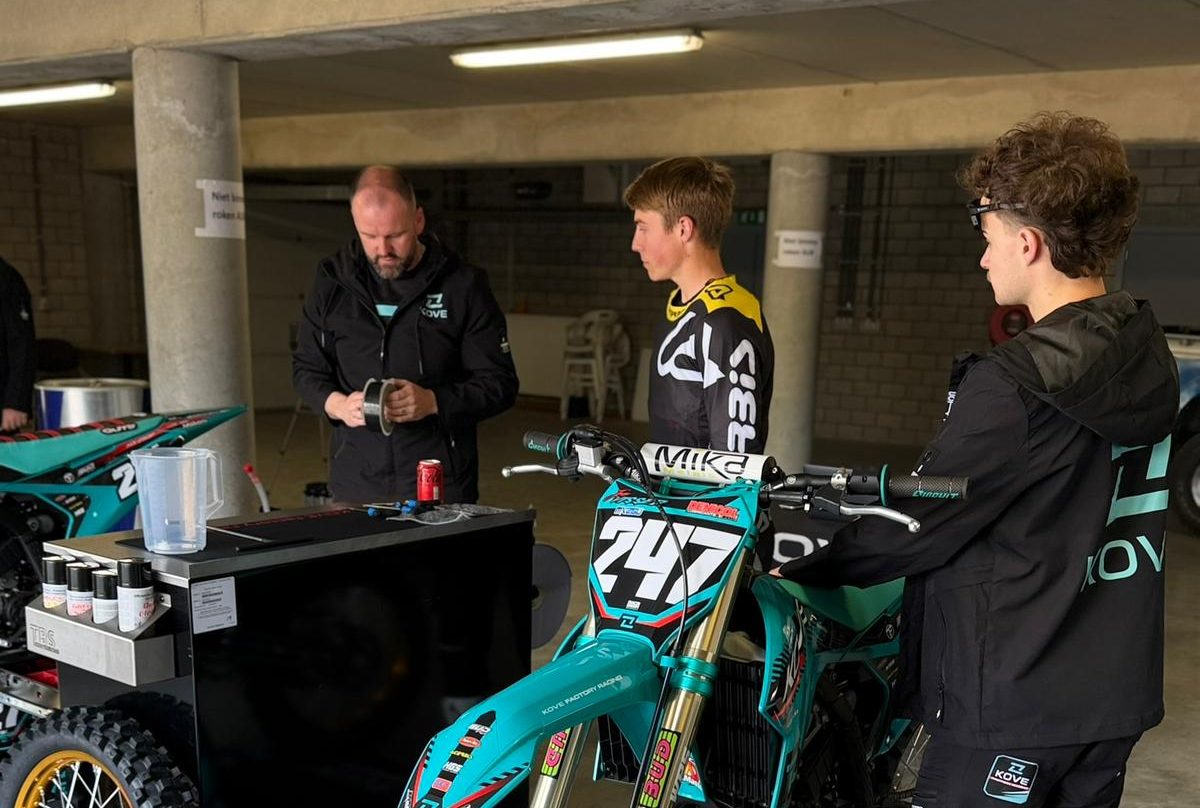
Where exactly will the team be based? In Lommel, like most of the MXGP teams?
Steensels: We have chosen to set up our new workshop in Pelt (in Belgium). That will be the base from which we will further develop the team and the technical side of the MXGP project.
You were already active in the MXGP paddock in the past with TBS Conversions, where riders such as Camden McLellan, Rick Elzinga and Cas Valk took some of their first steps. What did you learn from that period that you can now apply to Kove, and is there anything you will do differently this time?
Steensels: You always learn from your experiences and, of course, from the mistakes you make along the way. That applies to everyone. But I also look back on that period positively, because the foundation of the project was good. You automatically take that experience with you into a new project. So once again, we will try to establish a solid foundation and build from there.
Who are you currently using as a benchmark? The established manufacturers, or are you looking more closely at what newer manufacturers such as Triumph, Ducati and Beta have already achieved?
Steensels: It is difficult to give an answer to that at this stage. Of course, you can look at what other manufacturers are doing, but ultimately you have to experience it yourself once you are actually racing the GPs. That is when you get a real understanding of where you stand compared to the competition and where you still need to make progress. That is something we will really have to discover once we start racing.
Where do you expect Kove to be three years from now?
Steensels: I don’t want to set any expectations or targets at this stage. First, we need to go through our first season and see what we can learn from that experience. Then we will have a much clearer idea of where we stand, what progress we have made and where there is still room for improvement. Those expectations will develop naturally as the project progresses.
To wrap things up, if we sit down together again in just over a year’s time and Kove has just completed its first MXGP season, what would you hope to have achieved for you to consider it a successful season?
Steensels: For me, a successful season would mean achieving some good results while also making significant progress with the development of the motorcycles. We have to be realistic, of course: this is a new project in an extremely competitive class. Results are important, but I consider the development we can achieve throughout the season to be just as important. If we have made good progress on both fronts, then I think we can look back on our first MXGP season as a successful one.
Tom, thank you for your time, and we wish you the very best of luck!
Steensels: My pleasure!