

The figures for the first half of 2026 also point towards improvement. According to data shared by Bajaj AG Mobility, revenue reached €701.4 million, representing a 65% increase year-on-year. Motorcycle revenue surged by 109.1% compared to the same period last year, reaching €579.6 million, with 89,004 motorcycles sold during the first half of 2026.
However, this impressive increase needs to be put into perspective, as sales volumes have grown by just 4.4% compared to the same period in 2025. More importantly, KTM remains well below its 2024 levels, with sales down 39.7% compared to the first half of that year. Financial recovery is therefore well underway, but the recovery in sales volumes remains limited.
At the same time, the group has reduced fixed costs by €65.8 million and generated a positive EBITDA of €37.6 million, representing a margin of 5.4%. In the second quarter, EBIT also returned to positive territory for the first time since the end of the restructuring proceedings.
The picture is therefore considerably more encouraging than it was a year ago, when KTM was facing significant debt, job cuts and intervention from its creditors and Bajaj Auto to ensure its survival. Although the recovery still needs to be consolidated, the brand is gradually regaining momentum.
Production will remain in Austria
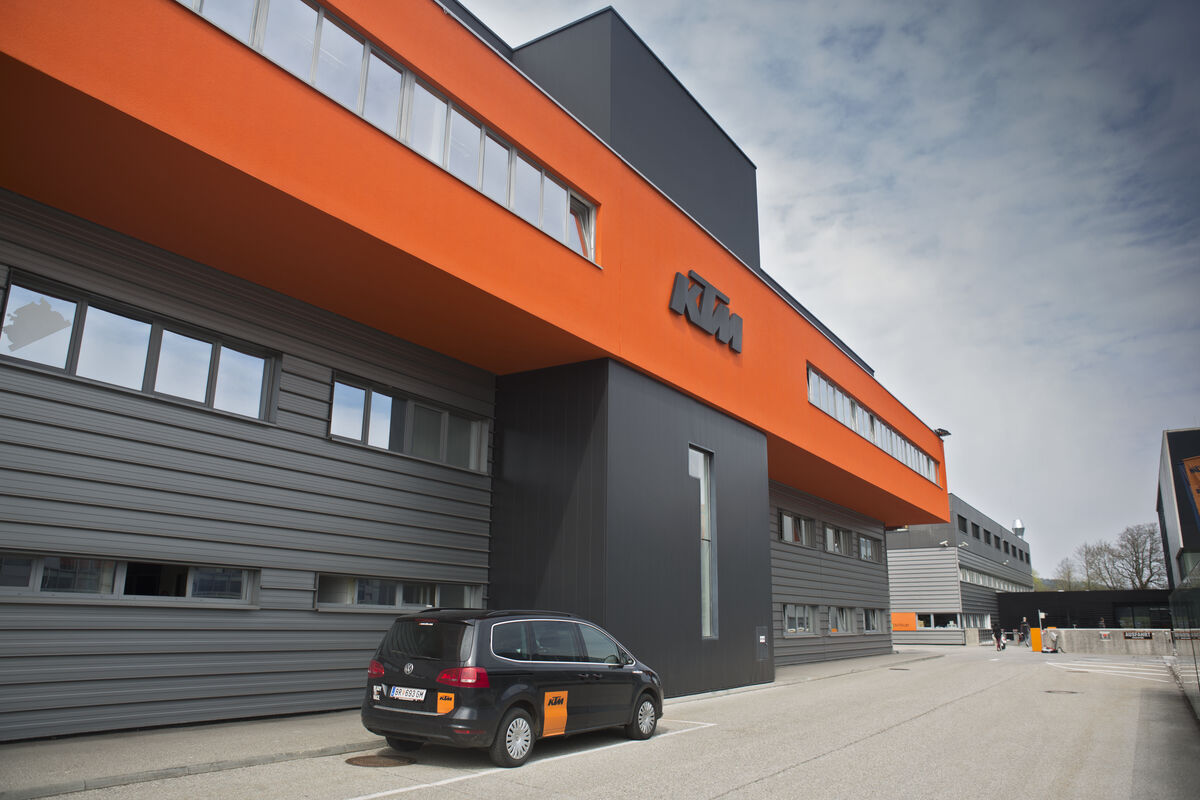
One of the main questions raised by Bajaj’s takeover of KTM concerns the future of the manufacturer’s historic Mattighofen facility. Rumours had suggested that production could potentially be transferred to India. However, Gottfried Neumeister has moved to dismiss those suggestions, reaffirming KTM’s commitment to its Austrian operations.
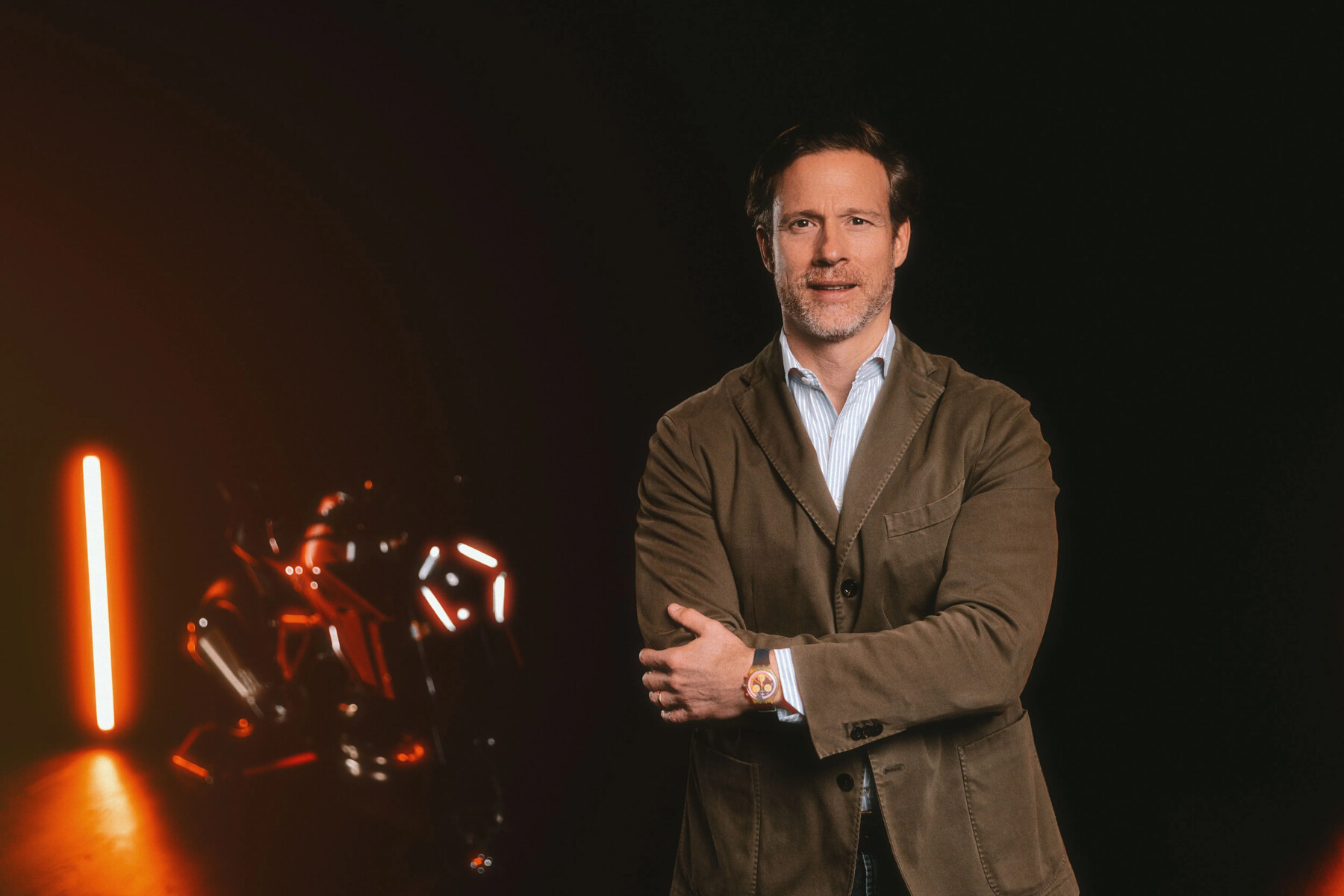
“There were rumours that production would be transferred to India, but our commitment to Austria is clear. We have more than 440 engineers designing leading products and pushing standards,” the CEO explained to Speedweek.
Neumeister also clarified that Bajaj has not taken over the day-to-day management of KTM.
“I received the green light from management to establish an independent team. Bajaj has therefore not taken over the running of the company.”
This is an important message for a manufacturer whose identity remains closely tied to its Austrian roots. Maintaining production at its historic facility is a reassuring sign, although the priority now remains strengthening an economic situation that is still fragile.
KTM’s racing commitment has won over Bajaj
KTM’s recovery is not limited to its industrial operations. The manufacturer’s official MotoGP programme has also been renewed for a further five years, despite the continuation of the group’s racing commitments appearing uncertain when Bajaj took control.
“Initially, motorcycle racing was not well understood. Bajaj comes from the commuter motorcycle market, where sales are primarily driven by price. The criteria for what matters are therefore different from ours. It took several trips to India to convince them,” Neumeister explained.
The CEO emphasised the importance of his new shareholder’s support in making the decision possible.
“Without their support, we would not have been able to commit to MotoGP for the next five years. You can always question why these racing programmes are necessary and why we spend so much money when 500 jobs have been cut. The data must then be used to demonstrate how racing has a positive impact on sales figures. Winning on Sunday and selling on Monday works for our business.”
This confirmation is also significant for KTM’s other racing programmes, although it does not, in itself, guarantee an increase in competition budgets. In the midst of restructuring, the priority remains ensuring the economic viability of the entire group.
In motocross, the group will bring its official Husqvarna programme in the United States to an end after the 2026 season. As a result, only one factory team is expected to compete in the AMA Championship in 2027: Red Bull KTM, which is expected to field Jorge Prado, Lucas Coenen, Sacha Coenen, Julien Beaumer, Daxton Bennick and Ryder DiFrancesco.
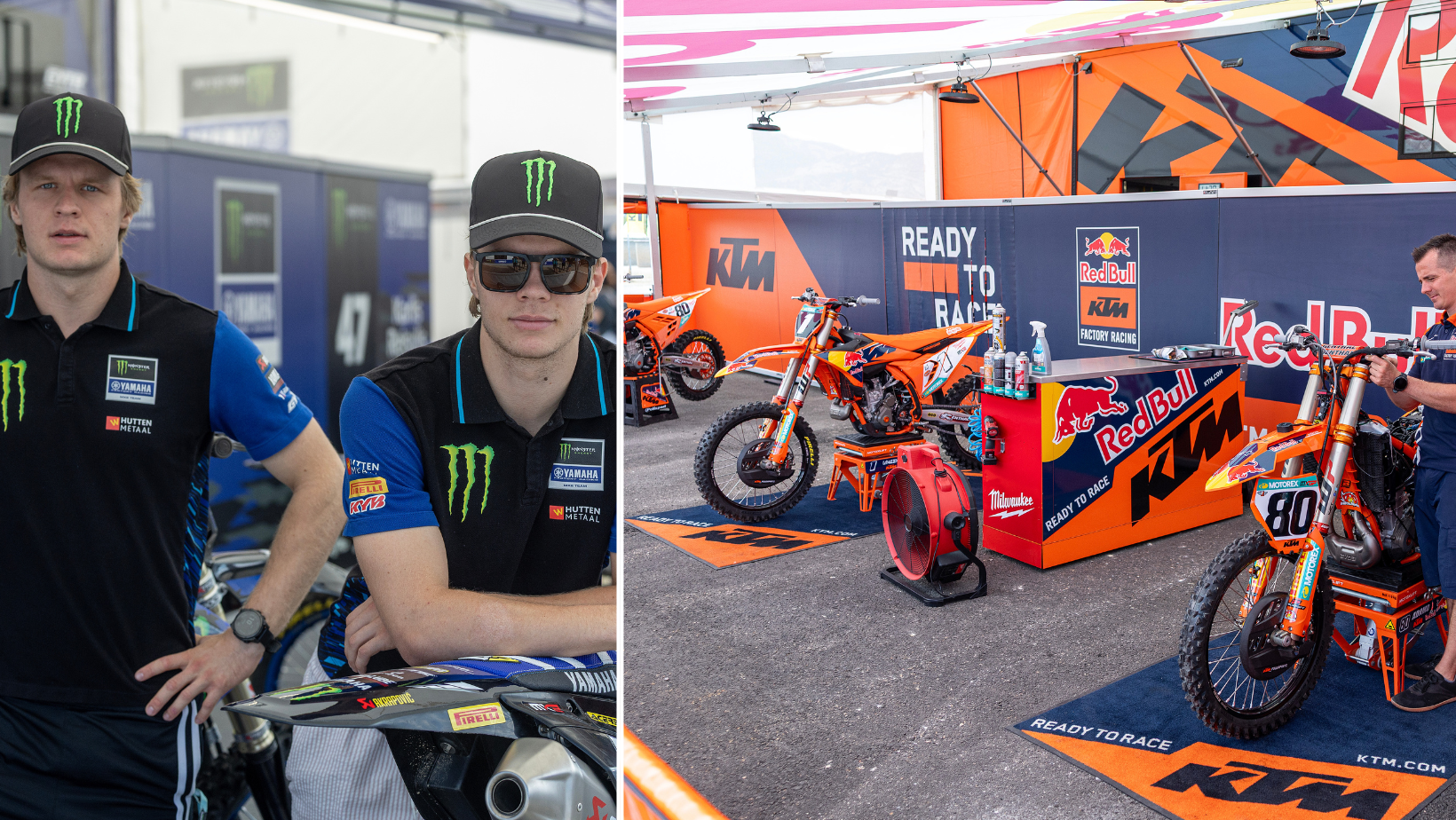
In MXGP, however, the group will retain three official operations: Red Bull KTM, directly linked to the parent company; De Carli KTM; and Nestaan Husqvarna. The latter two are run by independent owners, namely the De Carli family and Kay Hennekens.
Together, these three teams are expected to field seven riders in 2027, with Andrea Adamo, Maxime Renaux and Kay de Wolf in MXGP, alongside Simon Längenfelder, Valerio Lata, Janis Reisulis and Liam Everts in MX2. An internal management reshuffle is also expected.
Caution remains necessary
Despite the positive indicators, Gottfried Neumeister does not consider the recovery complete. The CEO stressed that growth in sales volumes must now be accompanied by sustainable profitability as KTM looks to regain a leading position in the global market, particularly in Europe.
“When I look at the market around us, the other European manufacturers are reporting losses for the first half of the year. Of course, everyone points out that we are starting from lower sales figures. Nevertheless, it is very encouraging to outperform the market and to have sold almost 100,000 motorcycles,” he said.
However, Neumeister emphasised that sales volumes alone are not enough.
“Volume isn’t everything. We first need to become profitable again before we can grow our business. We are on the right track, and all our new products are being well received. The company’s future depends on it.”
KTM therefore appears to have taken an important first step following an exceptionally difficult period. Growing revenue, a return to positive EBITDA and confirmation that production will remain in Austria are all encouraging signs.
However, the group must still turn this recovery into sustainable profitability. Only then will the Austrian manufacturer be able to confidently plan the next stage of its development, both in the marketplace and on the racetrack.