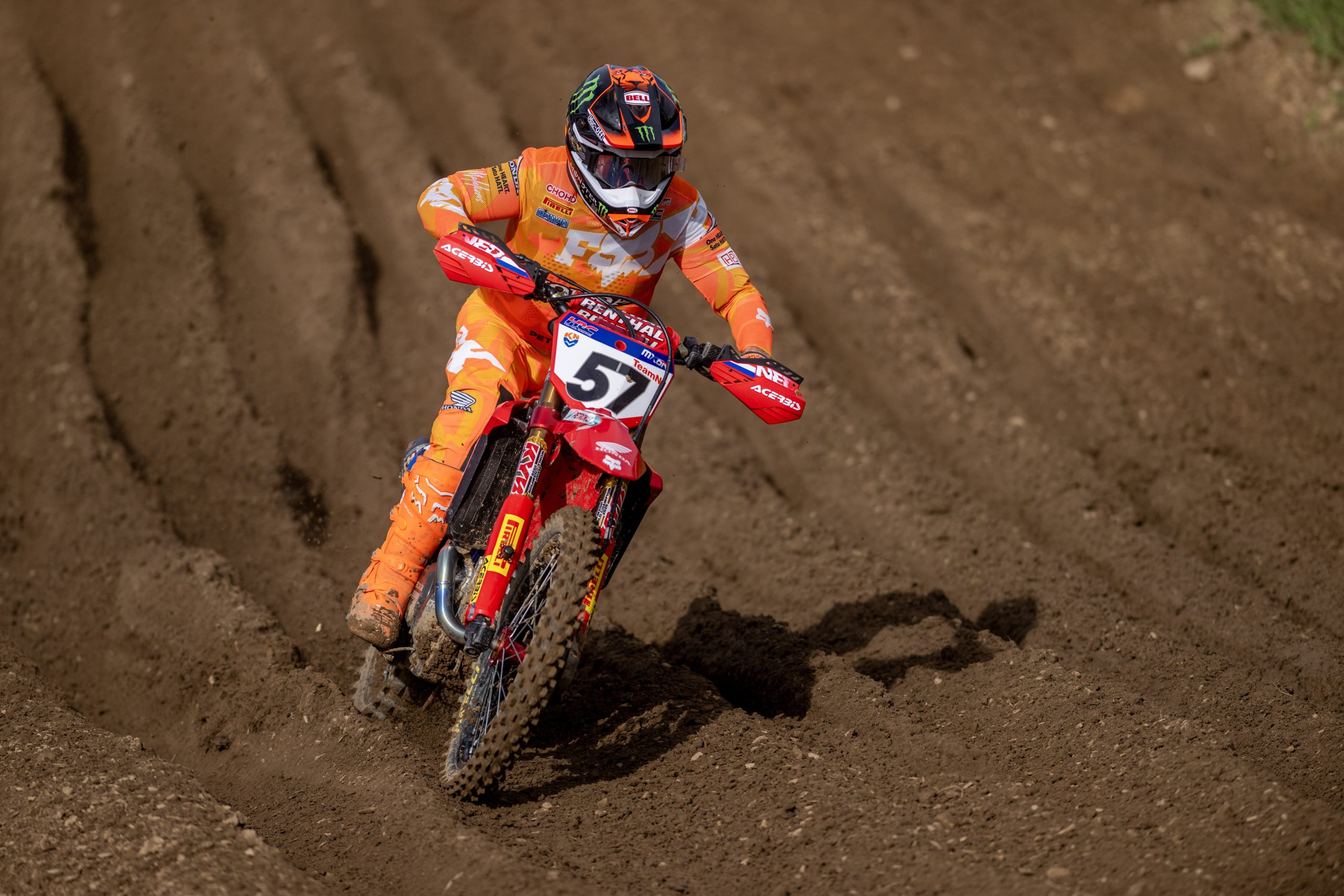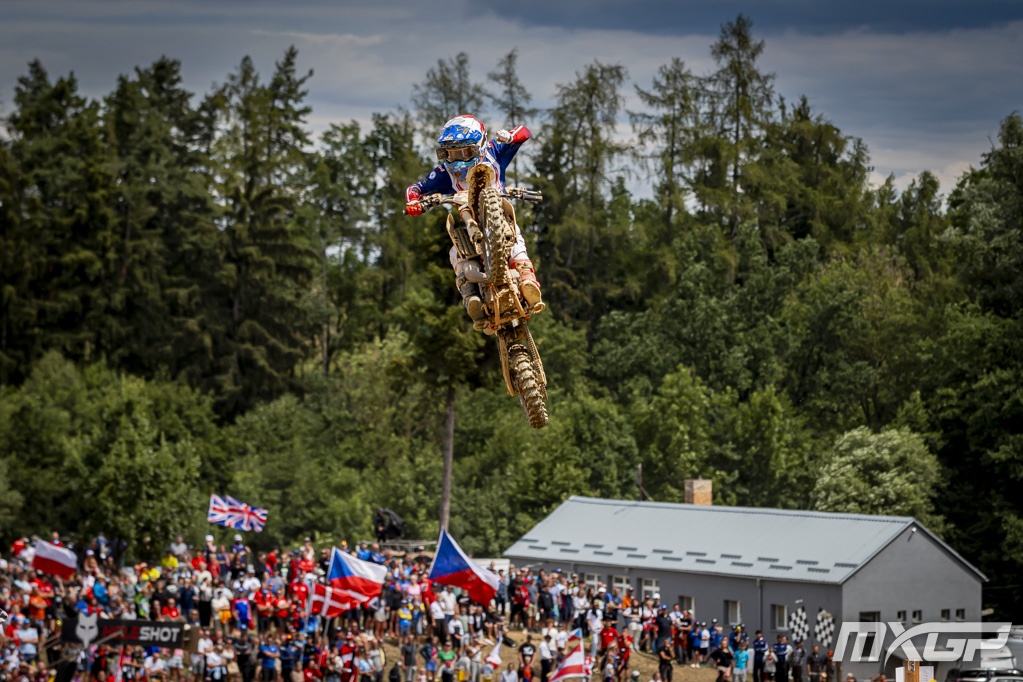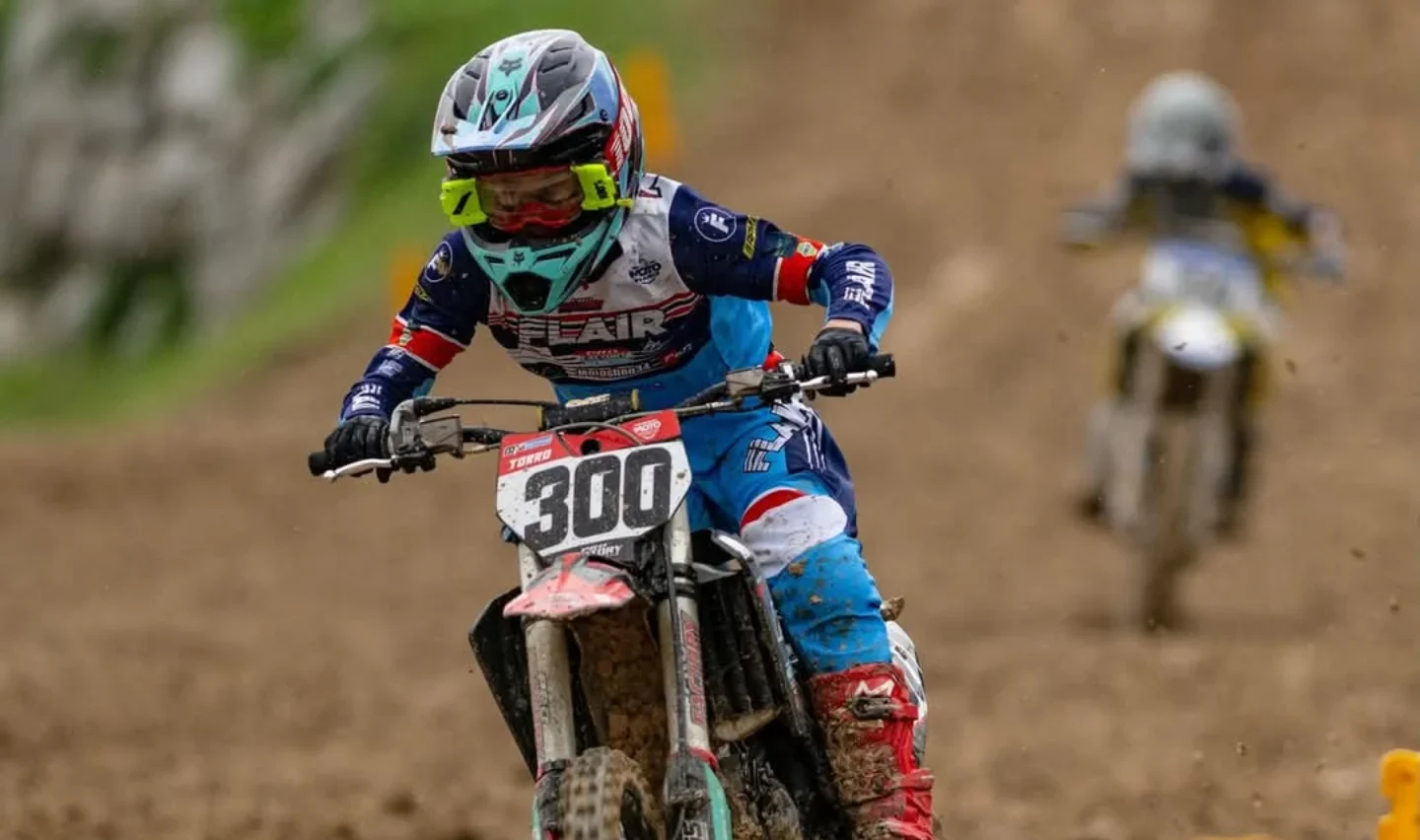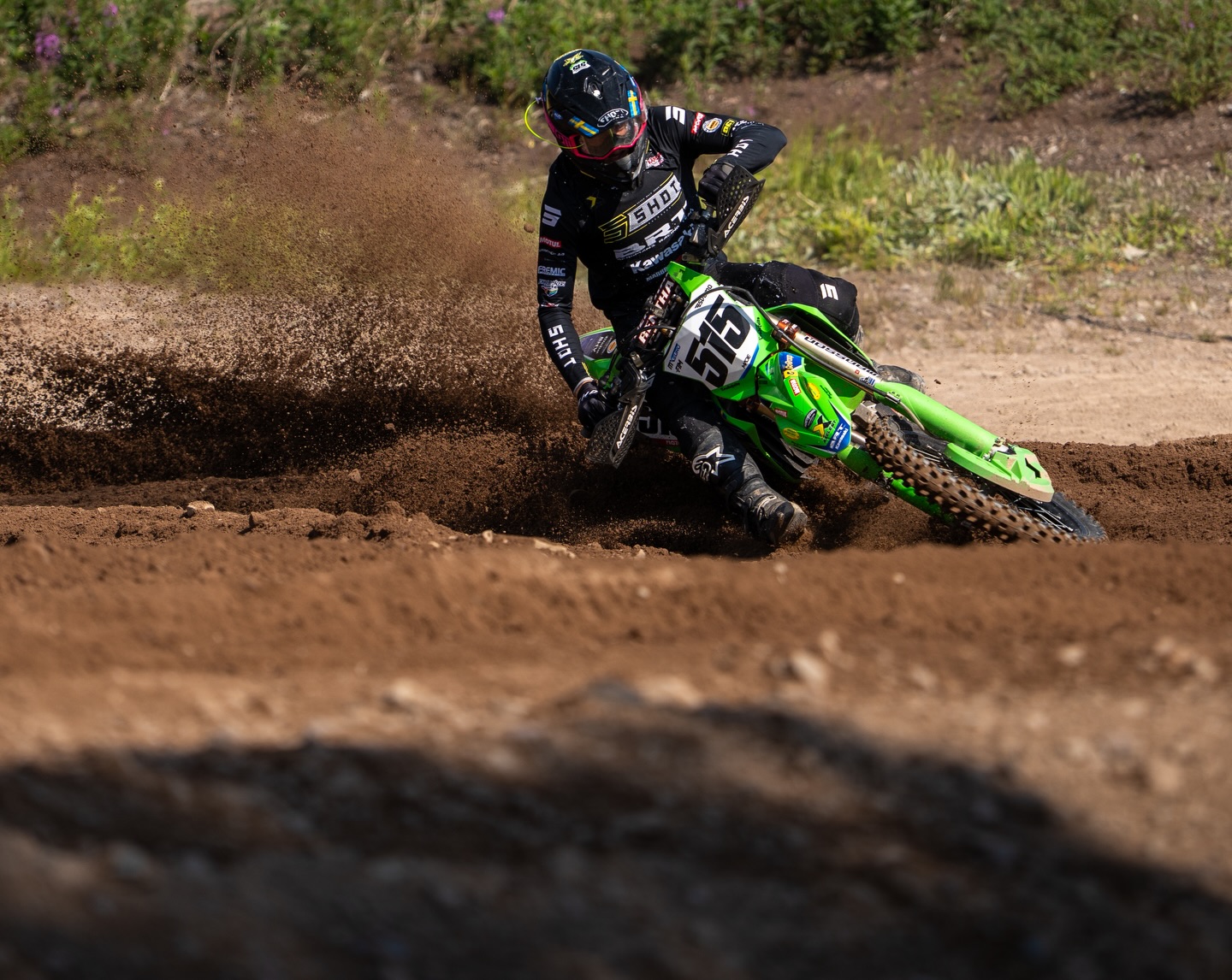
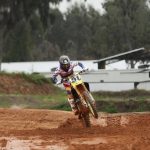

Motorsport, and motocross in particular, is probably not the first thing that comes to mind when thinking about the Democratic Republic of Congo. Yet in Kolwezi, in the south of the country, a handful of passionate individuals have been working for several years to establish a genuine off-road culture. And the fourth edition of the Wansela Cross, held last week, may well have marked another important step in the development of the region.
For this edition, there was no national championship or event listed on an official calendar: the Wansela Cross is a one-off event, primarily designed to showcase the potential of Congolese motocross and create a bridge with the international scene.
For the occasion, a selection of riders from various backgrounds travelled to Congo. Adrien Malaval, Yago Martinez, Mike Gwerder, Nico Koch, Tom Koch, Yann Crnjanski, Luca Diserens, Joan Cros, Julien Pelletier, Quentin Prugnières, Julien Duhamel, Tim Lopes and Victor Quiniou were among those entered, with around 20 international and local riders coming together for this edition. And the Wansela Cross had a broader ambition than might initially appear: a desire to showcase a different image of the Democratic Republic of Congo.
Through the Wansela Cross, the organisers above all wanted to highlight a different side of the DRC from the one usually portrayed abroad.
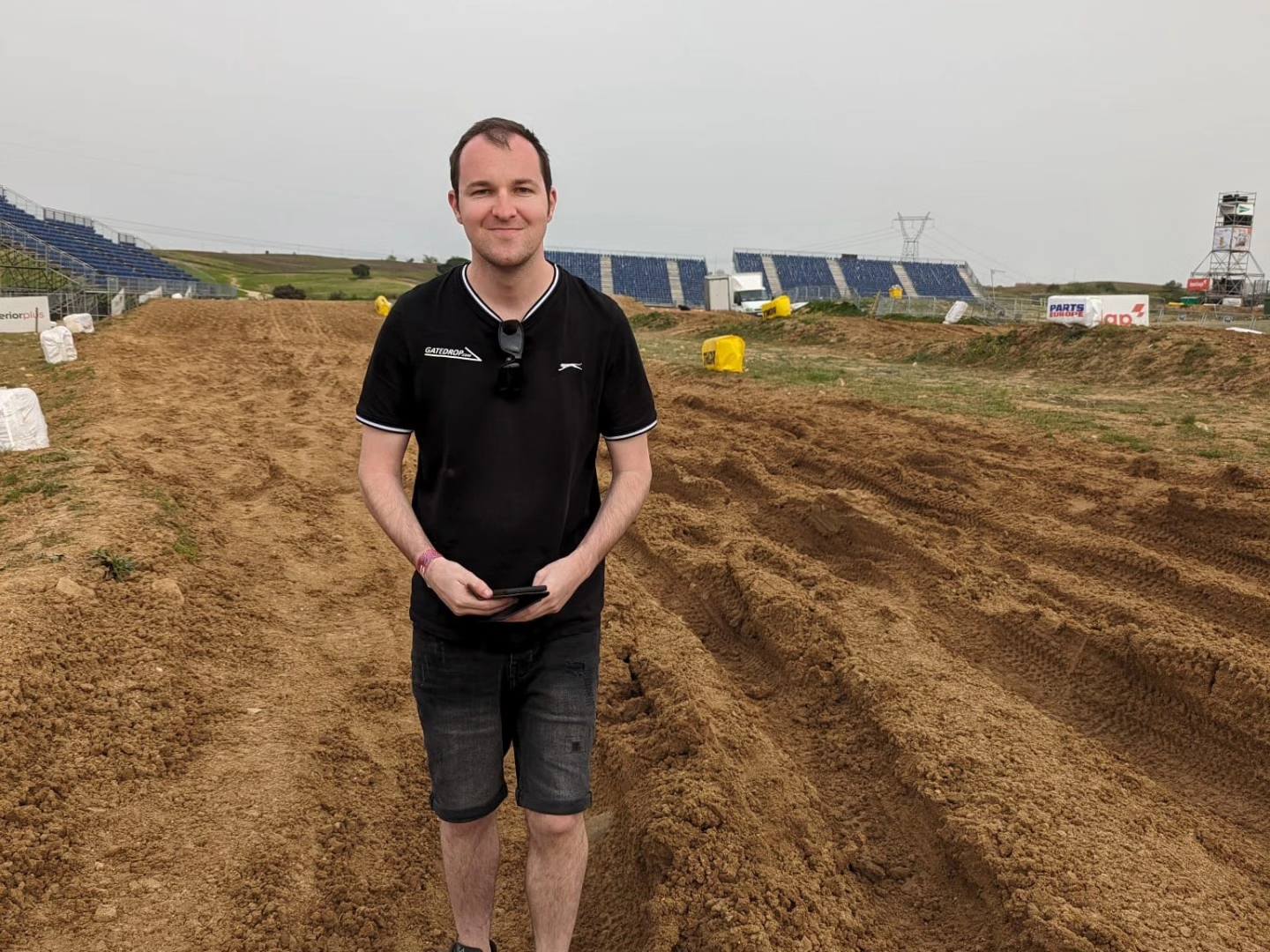
“We brought in a selection of international riders to show that Congo is not just a land of minerals and that there are many passionate people living there. There is real sporting potential, and real potential for development,” explains Teo Heuvelmans, who was involved in organising the event after spending several months working towards the return of the GP to South Africa, notably as a track builder.
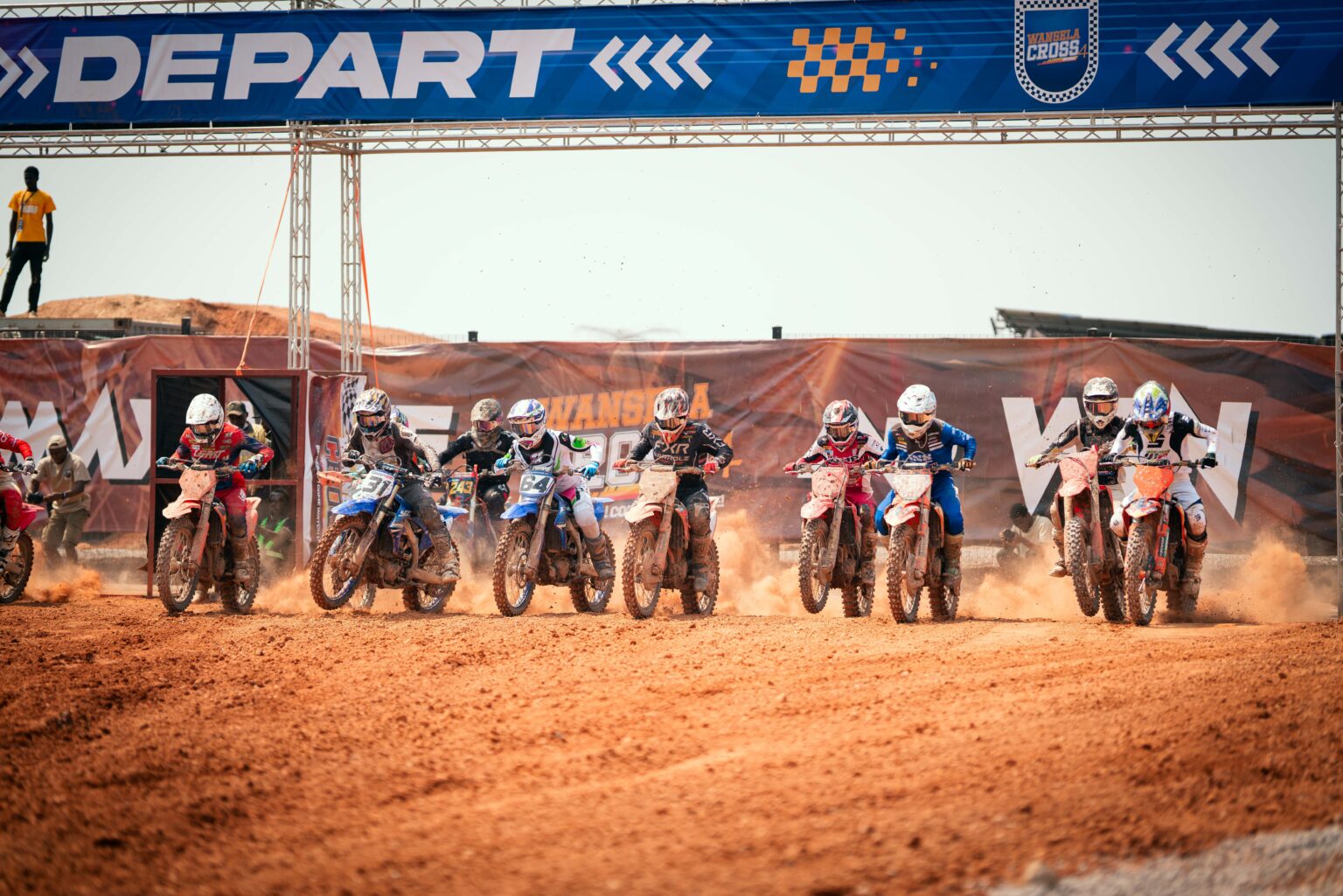
In a country whose international image remains largely associated with the exploitation of its natural resources, some local entrepreneurs and enthusiasts are looking to make sport another means of attracting attention, particularly through motorsport.
This is the vision shared by the organisers involved in this renewal project, who are convinced that development through sport can have positive repercussions across an entire region, particularly through increased exposure. To host international events and promote them, however, the necessary infrastructure must be in place — and therefore developed.
And on that front, the work has already begun, with the progress particularly visible. Four tracks have already been built in the region: three in Kolwezi and one in Lubumbashi. The Wansela site also has professional workshops and state-of-the-art machinery imported specifically to develop off-road activities. This rapid evolution is already reflected in the improving level of the local riders, as well as an increase in the number of participants. And the momentum is now extending beyond the borders of the Democratic Republic of Congo.
“We can already see a huge evolution in just one year with the tracks we have built. The Congolese level has improved and international riders are already sending me messages about the next events,” Teo says enthusiastically.
While motocross is not entirely new in Congo and the sport has existed for several years, quad racing remains by far the most popular form of off-road riding. However, the arrival of international riders at these new-style events is helping to change habits and inspire new riders. The momentum has also been boosted by the arrival of Freestyle, with two demonstrations already held this year — a first in the country’s history.
The objective now is to create a genuine environment around off-road motorcycling, with suitable infrastructure, regular events and, ultimately, a proper national championship. For the time being, there is still no Congolese national championship; the organisers are working to establish one, notably with the drive and support of Andy Barampana — organiser and investor of the 2026 South African GP in Johannesburg — whose involvement is now helping to accelerate the development of motocross and dedicated infrastructure in the DRC.
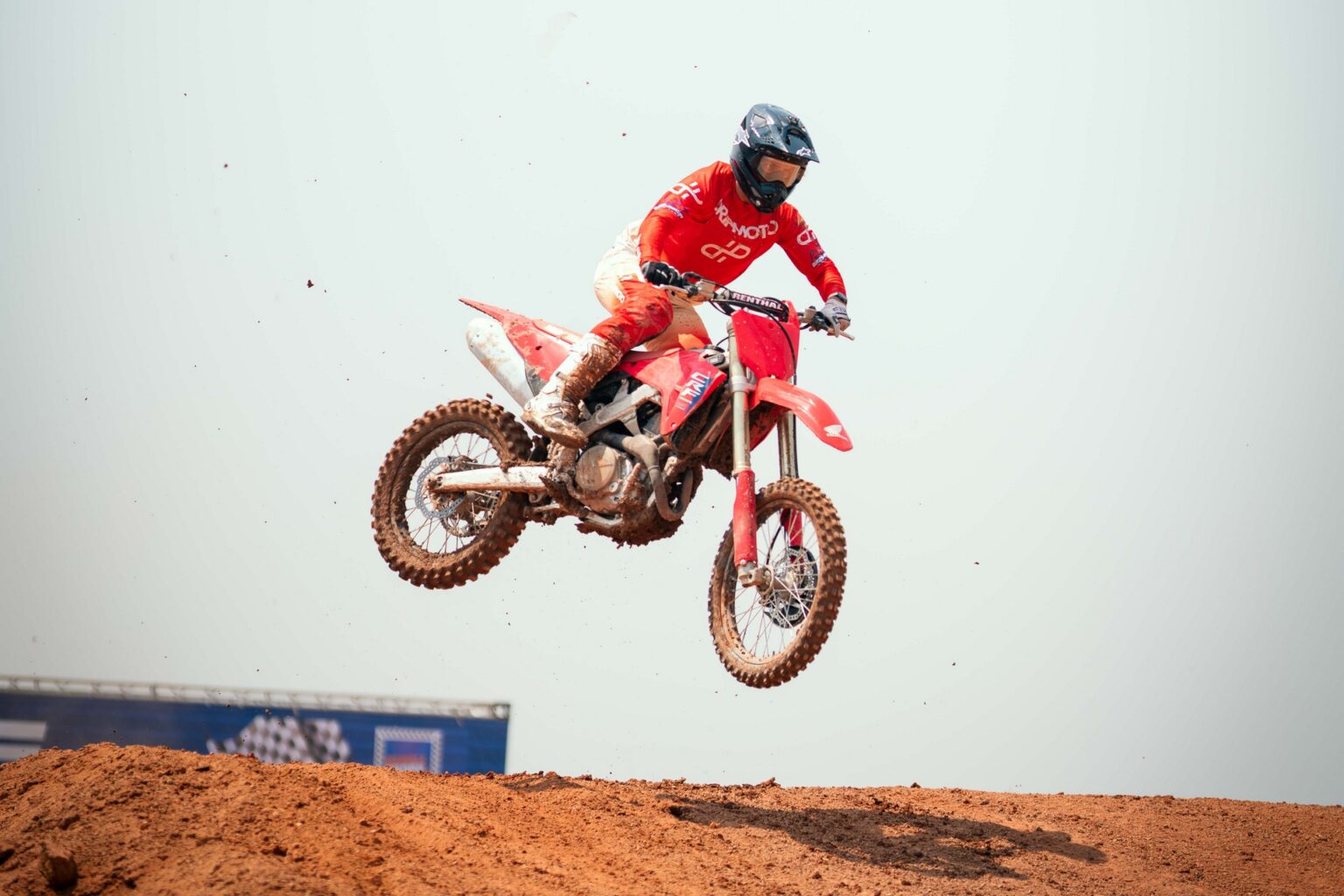
The Wansela Cross could therefore be just the beginning of the story. The ambitions for the next edition are already clearly defined: to organise an event on an international scale, held on a track meeting Grand Prix standards, with riders travelling from all corners of the globe. And the project already appears to be well advanced.
The aim is also to continue developing the infrastructure. A new GP-sized track is expected to be completed by the end of the year, with the ambition of hosting an international event as early as 2027. And this growth — similar to the development seen in Brazil and India — is also beginning to attract the attention of industry players. Some manufacturers have already contacted the organisers to explore the possibility of importing their products into the DRC. It is another sign that the project is taking shape and gaining attention beyond the country’s borders.
The Wansela Cross was therefore much more than a weekend event. Through motorcycle sport, another way of showcasing the Democratic Republic of Congo is gradually being built, driven by passionate individuals and entrepreneurs who believe that sport can contribute to the development of a territory that remains largely unknown.
If the project is still in its early stages, the first results are already there: tracks are being built, infrastructure is developing, the local level is improving, and international riders are also beginning to look towards the DRC for 2027.
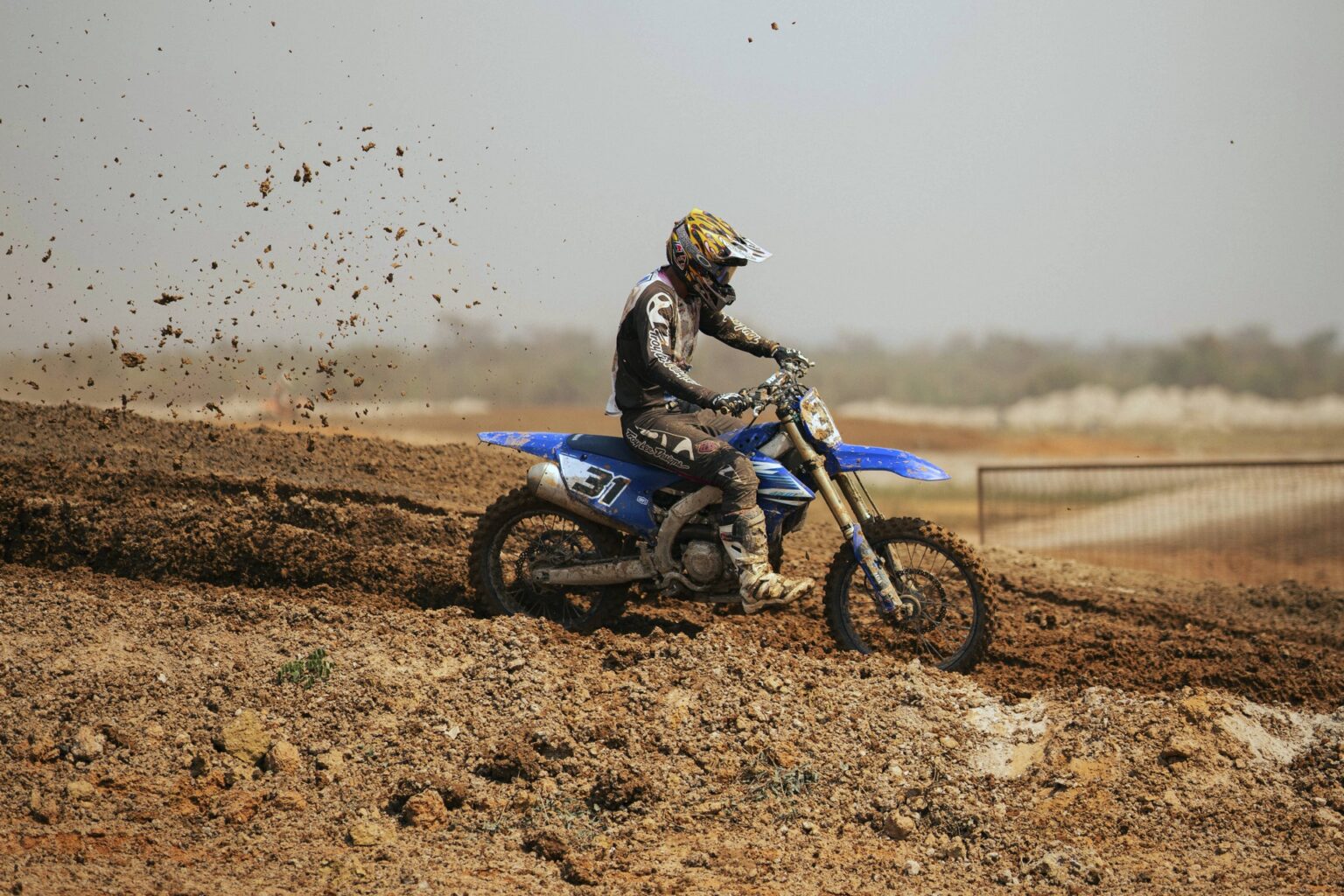
After experiencing the Wansela Cross from the inside — and winning it — French rider Adrien Malaval gave a particularly positive assessment of his experience in the Democratic Republic of Congo. The well-travelled rider particularly highlighted the quality of the organisation and the welcome given to the international riders.
“It was really well organised,” Adrien Malaval explains. “I’ve been to quite a few countries and this was very well organised. Obviously, at the beginning, I had some preconceptions about certain things. I particularly wanted to know more about the safety aspect and what bikes we were going to ride. On that side of things, Andy, Ali, Daniel, Téo and the whole team took care of absolutely everything. We had recent bikes, last year’s models, which worked well. In terms of organisation, they took care of everything: flights, information about vaccinations, and we even had shuttles organised between the hotel and the circuit. It was almost all-inclusive.
“Obviously, you’re leaving Europe, so a lot of things change, but that’s also what makes it charming — the experience and the travel. Over there, they’ve created a great team that wants to do things properly, and that’s super important. On the track, we had a great time. It was almost like US outdoor motocross. A big track, a little sandy in places, big ruts and well watered. They did a good job.
“Obviously, some things take you out of your comfort zone and you discover different ways of doing things. For example, the schedule quickly fell behind, but we were always warned in advance. That’s part of the overall experience. But overall, we were well received, there was an incredible atmosphere. The Congolese don’t see many motorcycles, so they were absolutely fired up and they made an incredible amount of noise.
“The only thing I don’t know is what would happen in the event of an injury, how it works with the hospitals; but the organisation made it clear that they wouldn’t leave anyone behind in case of a problem. They really managed to create a great race and a great cocoon around the riders, and we had a fantastic time.”
Also present at the Wansela Cross by invitation this year, Victor Quiniou also gave a very positive assessment of his experience in the Democratic Republic of Congo.
“Honestly, I was so impressed by the structure they put in place,” admits Victor. “When you arrive there, you go from one extreme to the other. You go from complete countryside, with people making their own bricks, to villas and an incredible track. The track was arguably better prepared than some French clubs. They’ve done a huge amount of work on the infrastructure: automatic watering, machinery to rebuild the track — it’s pretty crazy to see. There are garages available, the bikes are top-notch and fully prepared. It’s true that things were sometimes a little unclear when it came to the programme and race schedules, but they’re developing. They’re investing, they’re putting in the work, and they’re doing everything they can to turn it into a major event. They want to bring some top US riders next year.
“Honestly, when you’re there, you don’t even feel like you’re in Congo. It’s as if you’re at an event in Europe, almost in the USA, with a great track, good soil and big ruts. Téo did a huge amount of work on that side of things. There were also a lot of people there, which was impressive to see. I’ve already been invited back, so I can’t wait to return — and that says what it needs to say. When things aren’t well organised and you don’t enjoy yourself, you generally don’t go back. There’s still the question of the hospitals in case of a problem. Let’s just say you don’t ride as if you were in France because of that, but honestly, it was crazy.”
Beyond the ambitions being displayed, it may ultimately be the perspective of the riders who made the trip that best sums up the momentum now underway in Kolwezi. The riders discovered an organisation that is still young, but already capable of delivering an event to international standards, with its strengths and — inevitably — its weaknesses; areas that need to be worked on to make an even better showing next year.
The Wansela Cross has therefore already completed the first stage of its long-term project: bringing international riders to the DRC, allowing them to discover the country and, above all, giving them a reason to want to return. The next challenge is to build on that success. With a new track announced for the end of the year and the ambition of hosting an even bigger event in 2027, the next milestones could provide a concrete measure of just how far this adventure can go.
Because while the progress made in just a few years is impressive given where the project started, the development potential of Congolese motocross remains enormous — but so too does the scale of the work ahead.
Follow Wansela Cross on social media.