
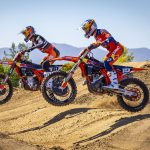
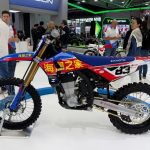


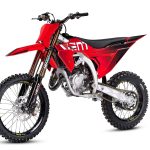


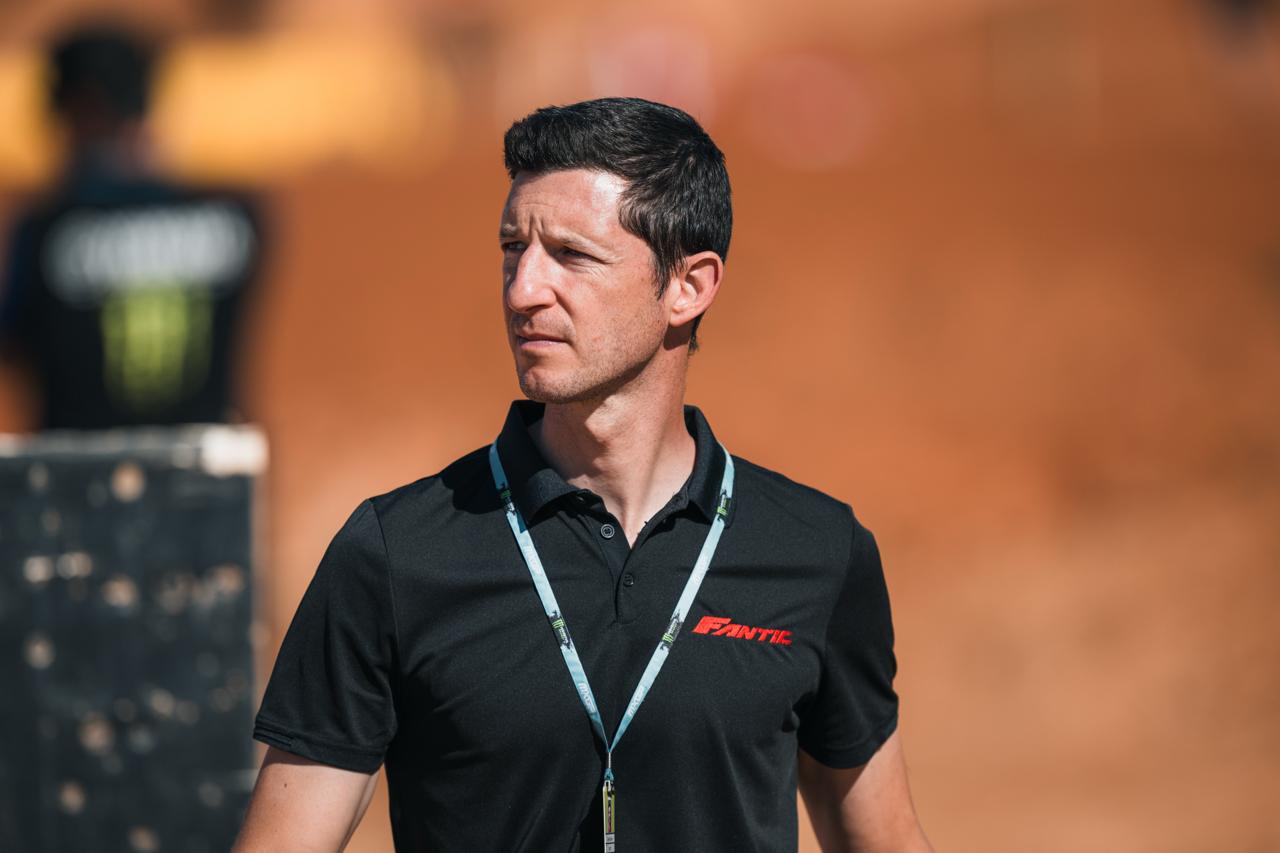
With Fantic set to take a different direction for the 2027 season, we caught up with Davide Guarneri, Fantic’s Motocross Manager, to discuss the manufacturer’s plans for the future. After losing JM Racing and deciding against having an MXGP rider next year, the Italian manufacturer faces some important decisions about its motocross programme, but that doesn’t mean their ambitions have changed.
Guarneri explains the reasons behind Fantic’s MXGP exit for 2027, the continued development of their450cc machine and plans for an all-new 250cc four-stroke. We also discuss the manufacturer’s commitment to the EMX125 class, Bertram Thorius’ development, the possibility of returning to MX2 and EMX250 in the future, and the challenges facing European manufacturers as more Chinese brands look to enter the paddock.
There’s plenty to discuss as Fantic looks to build a strong foundation for the future while keeping options open across different classes.
GateDrop: Davide, Fantic have had an MXGP team since 2024, but it seems like for 2027, Fantic won’t have an MXGP rider. How much of a blow was it to lose JM Racing and is that the main reason for not having an MXGP rider for 2027?
Guarneri: First of all, on behalf of Fantic, we would like to thank the entire JM Racing team for the work carried out throughout this season. It has been a year of ups and downs, but we have shown that our bike is competitive and has the ability to bring out the best in the riders who race it, helping them improve their performance.
To answer the question, the MXGP category requires an extremely well-organised and professional team, supported by a solid technical structure that allows for close and effective cooperation with Fantic’s in-house R&D department. Considering the number of races and the demands of the current calendar, this is an absolute priority, particularly when it comes to managing factory engines with a high level of performance and ensuring continuous development throughout the season. Unfortunately, in the past two years, we have found ourselves in a position where we had to change teams, despite having previously built an excellent technical and organisational foundation. This year in particular, the timing was not in our favour.
We explored several possibilities and looked for teams that could allow us to continue our journey in the premier class, but we were unable to find a structure that fully met our requirements, especially from a technical standpoint. For this reason, we had to reconsider our strategy, making a carefully considered decision that is consistent with our priorities. Our objective remains to continue investing in the development of the Fantic project and to ensure the best possible conditions for our sporting future.
GateDrop: Just on 2026, what was it like working with Jacky Martens and his team – Alberto Forato missed a lot of racing before this year, but I feel he did a great job considering – you must have been happy with him?
Guarneri: Jacky and his highly experienced team have been an excellent partner for our brand. We knew it would be difficult to repeat the results of the 2025 season, but despite the challenges Alberto had faced in recent years, this season, with our technical package, he demonstrated his commitment and determination and was capable of regularly fighting for top 10 positions and, at several Grands Prix, even top 6 places.
We were positively surprised right from the beginning of the season, when Alberto secured second place in the Italian International Championship, immediately showing a very good feeling with both the team and the bike.
GateDrop: Did you have talks with other teams to try and continue in MXGP?
Guarneri: We have been in discussions with a few teams, but we haven’t found a solution that fully meets our expectations. Nowadays, if you want to remain in MXGP, you need to be fully confident in the overall package.
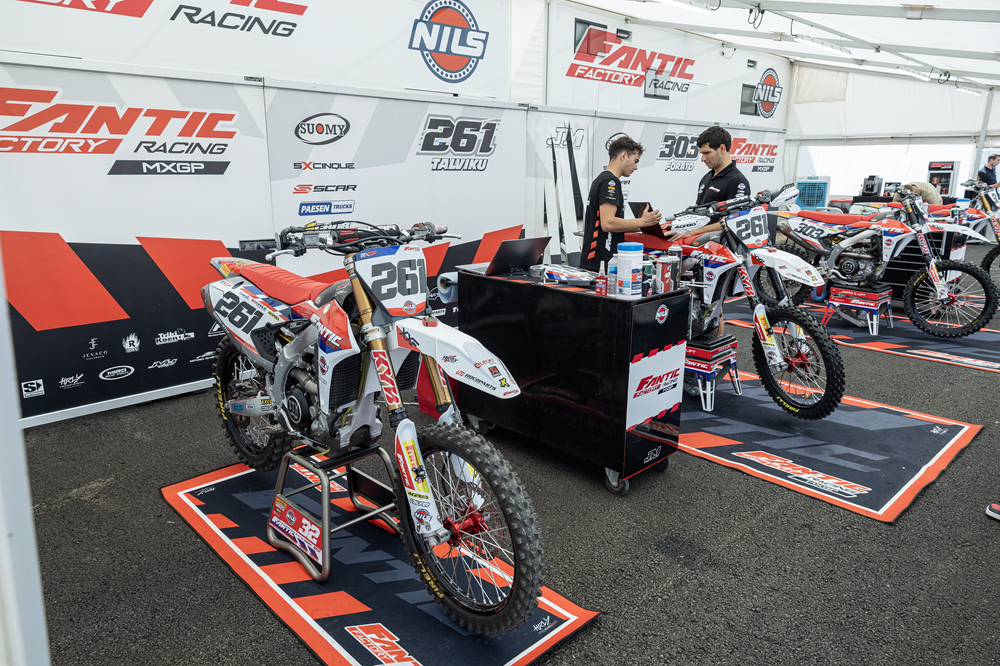
GateDrop: My understanding is that development will still continue on the 450cc even though you won’t have an MXGP rider – so long term, we could see Fantic back in MXGP again in the future?
Guarneri: This season, we built on the 2025 package, incorporating a number of targeted updates. This was also possible because the riders were generally satisfied with the technical package, allowing us to focus our efforts on developing an entirely new 2027 package.
Now, we are not in a position to put this new package on track for next season. However, Fantic will continue working on its development, refining it and making sure it is fully ready should the opportunity arise to return to MXGP in the future.
GateDrop: We’ve seen Fantic in the MX2 World Championship in the past with a factory team but it hasn’t really worked how I am sure the brand would like. I believe there is a new 250cc machine in progress?
Guarneri: I can already tell you that we are working on the development of the new 250cc 4-stroke bike. As you may know, this is a new model and different motorcycle, and the 250cc class is always particularly challenging from a racing development perspective. Fantic is committed to developing this project throughout the coming year, while also looking for a good team capable of taking on MX2 at the highest possible level in the future.
We will draw on the experience we gained in the past, even though our time in the class was relatively short, to further improve the technical package and better understand the specific requirements of MX2. This will allow us to be in the best possible position to make a smart decision about a potential return to the championship.
GateDrop: Do Fantic plan on entering the EMX250 series and/or MX2 World Championship again in the future?
Guarneri: Without an MXGP programme, we have the opportunity to focus our efforts on several different areas. As previously mentioned, our goal is to have the possibility of competing in every class. Ultimately, however, this will depend on the company’s strategic decisions.
GateDrop: In terms of the 2027 season, the main focus will be on the EMX125 series. Bertram Thorius had a great season this year and Fantic have helped out him on the map – you must have been happy with his season and more importantly his development as a rider?
Guarneri: We are happy with Bertram’s performance and attitude. He has shown that he is a hard worker, fully focused on his goals, and this has allowed him to make significant progress and take an important step forward in his development.
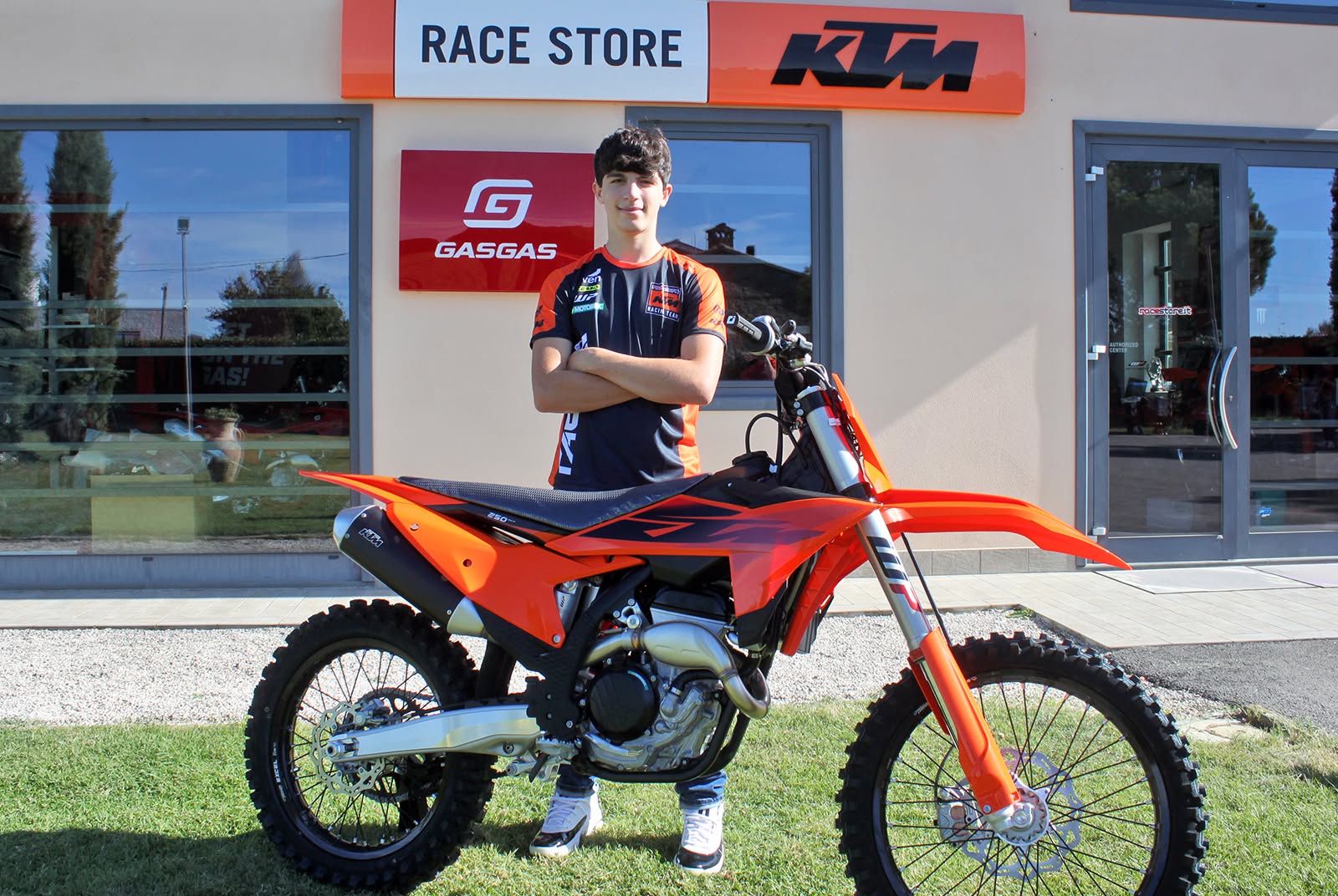
He immediately felt comfortable both with the team and with our XX 125, with strong results and also quite some holeshots he achieved this season. Fantic wants to continue working with him, alongside two other young riders who will be able to look at Bertram as an example from his progress and development.
GateDrop: Bertram Thorius will stay with Fantic to take on the EMX125 championship once again, he probably felt ready for the EMX250 class – was it difficult to keep him for 2027?
Guarneri: Together with the team, the rider and his parents, we have discussed in detail the best racing plan for 2027. It became clear that Bertram still has room to improve on the 125cc, and that another season in this class will allow him to build a stronger foundation for his future career.

GateDrop: I’m sure the goal for Bertram in 2027 will be to challenge for the EMX125 and Junior World titles, right?
Guarneri: On paper, our goal is always to be fighting for the win at every race. However, in racing, we all know you have to wait until the chequered flag to know the final result, because anything can happen.
GateDrop: Because Fantic don’t currently support the EMX250 class – do you find it hard to attract talent and if you do, sometimes you have to let them leave to another brand after they graduate from the EMX125 series – can that be frustrating?
Guarneri: Until the 2025 season, we had the EMX250 class as part of our racing programme. We will not be competing in this category next season, but as I mentioned, our intention is to start again from a solid foundation in the 125cc class and gradually rebuild opportunities for rider development across all categories.
This is particularly important because investing time and resources in developing a talented young rider in the 125cc class, only to have no opportunity to support his progression into the 250cc class, can become a little frustrating in the long run. We want to create a structured pathway that allows us to develop young talent and support them throughout the different stages of their careers.

GateDrop: There seem to be a number of Chinese brands coming to the paddock in the future, as a brand based in Europe how do you find that? It’s good for the sport for sure but is it something you have to react to? Do you maybe have to make internal changes to stay competitive?
Guarneri: Honestly, this is a very complex question, and to give it the answer it deserves, it would require a dedicated interview involving several different departments, as well as representatives from different manufacturers…
There is no doubt that the arrival of Chinese manufacturers is making waves in the World Championship paddock, and not only in our sport. As always, there are two sides to everything. On one hand, it can be a positive development to see a country as large and industrially powerful as China showing such a strong interest in our industry. On the other hand, however, smaller private teams and manufacturers with more limited resources, are facing new challenges and increasing difficulties.
That said, we have to roll up our sleeves and find the best possible solutions, both from a racing and a production perspective. Our goal is to focus our investments in racing on projects that can generate real benefits for the final product and, ultimately, for the customers who choose the Fantic brand.
GateDrop: It seems to be a really tough time for the brands at the moment, do you think Infront Moto Racing could make changes to help the brands and if so, what would you like to see change that would be of the most help to a brand like Fantic?
Guarneri: Yes, what you say in your question is correct, the overall situation is not the easiest, but the real challenge is finding solutions that allow us to perform at our best in every area. On our part, we try our best to achieve this. I also understand the promoter’s perspective. Managing such a large organisation, with a significant number of staff and the need to provide a complete service, is equally challenging.
From Fantic’s perspective, and I believe this may also apply to other manufacturers, one possible solution, perhaps as a temporary measure, would be to reduce the number of races on the calendar. This would give teams and staff more time to rest while also reducing the overall costs for both teams and manufacturers. It would also create an opportunity to focus even more on each individual Grand Prix, potentially increasing its value, attracting greater interest and creating a stronger sense of anticipation and excitement around every event.
I am fully aware that balancing everyone’s needs is extremely difficult, but I believe we need to find a way to increase the value of each individual Grand Prix while reducing the financial demands on smaller teams and manufacturers, who simply don’t have the same resources and opportunities as the larger organisations.