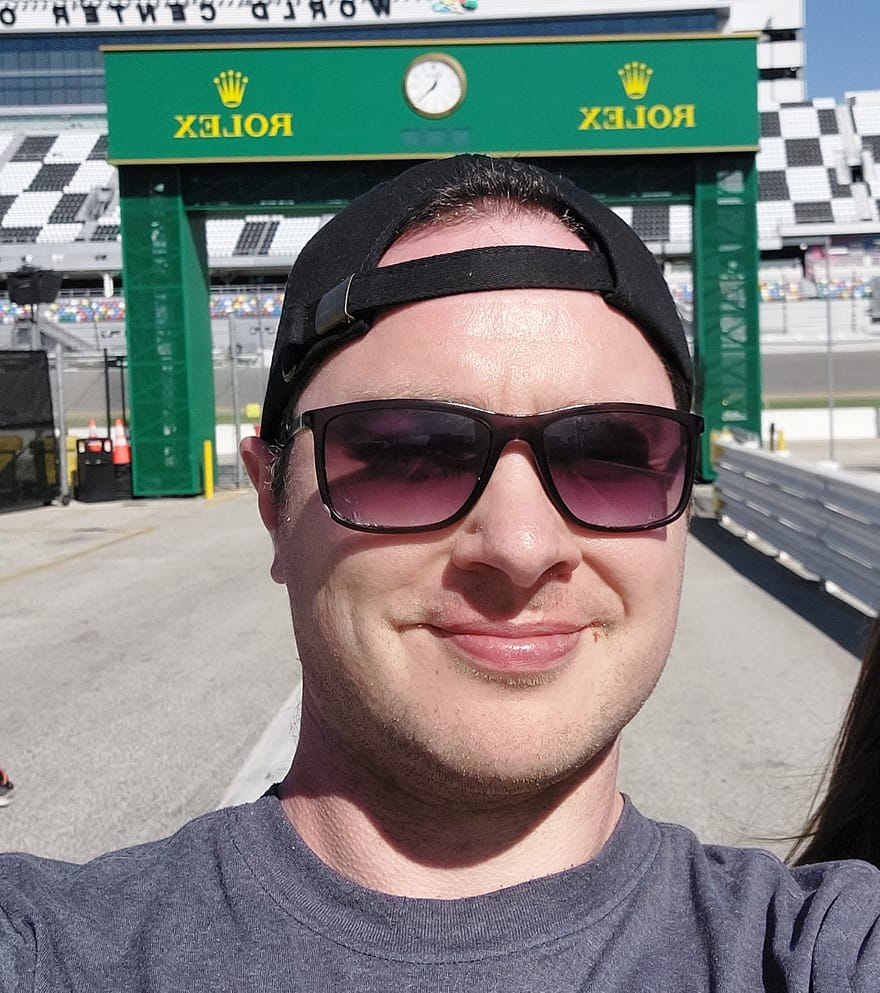
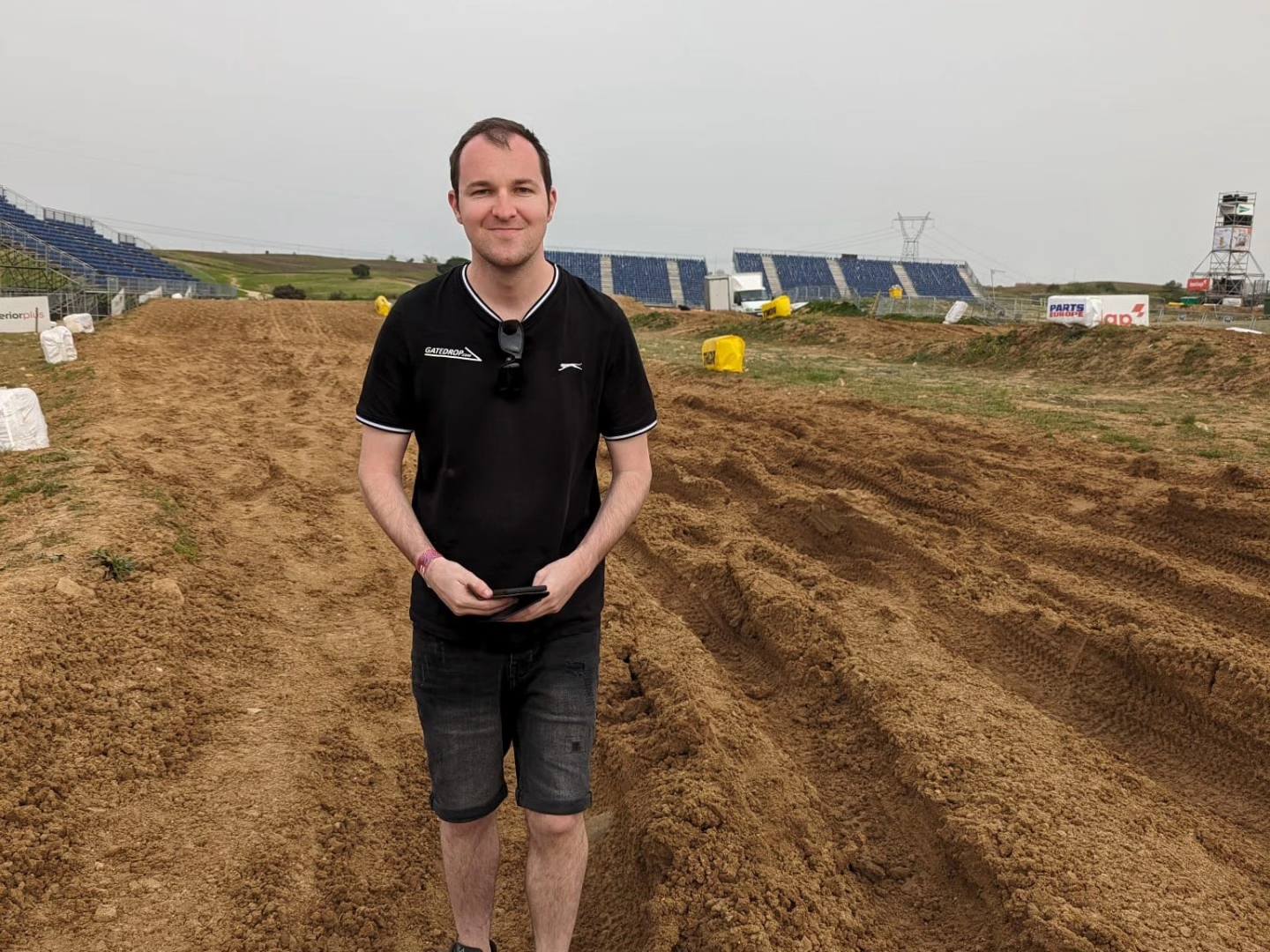
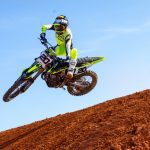

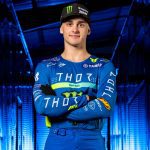
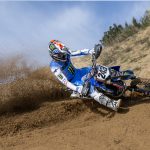
Few British riders have experienced the sport quite like Steven Clarke. From chasing the American dream at just 11 years old before lining up in the ultra-competitive world of AMA Supercross, to factory rides in Australia, battles across the EMX paddock and title glory at Lommel, Clarke’s career has taken him on a journey few from the UK ever attempt – let alone sustain.
Bursting onto the scene stateside, Clarke immersed himself in the deep end of American motocross culture, adapting to Supercross and life far from home at a young age. His path hasn’t been without twists – financial realities, tough decisions, missed opportunities and hard-earned lessons – but those experiences helped shape the rider who would later return to Europe, claim EMX success and become one of Britain’s most seasoned international campaigners.
Now balancing racing with business, family life and an exciting new chapter aboard the Stark in the British Championship, Clarke reflects with refreshing honesty on the highs, the regrets, the what-ifs and the pride of having shared gates with the likes of Jett Lawrence and Jorge Prado. We caught up with Clarke as he opens up about chasing dreams abroad, adapting across continents, and why perspective means more to him now than podiums alone.
GateDrop: We’ll go back to the very beginning, obviously whenever you burst on the scene for me, you were racing in America. How did it come about that you decided to leave the UK initially to pursue your dreams racing in America, how did that all come about? It’s a big decision…
Clarke: It’s massive. I owe it all to Adam Chatfield. We bumped into him and his dad and became friends with them at one of the British Championship races. He said look, you want to get out to America and have a go and see what it’s like out there. Sure enough about six months later, me, mum and dad went out and blew our heads off but back then it was affordable with the economy and the exchange rate and stuff. Off we went and I was just a little, little lad, about 11 years old, winning races, Mini Os and stuff. My dad wasn’t pushing me but he was like look, this is cool, he enjoyed it as well, the bigger events and stuff. He said to me, do you want to try and have a go at it and after years of going back training, I went for two weeks the first time, a month, three months, then when I turned 16 he said: look, do you want to go and try and make it pro out there? So, I did and that’s how it started.
GateDrop: What’s it like when you start to do Supercross, we don’t have anything like that in the UK so it’s very foreign for you, I mean what’s it like to start with?
Clarke: It is foreign, that’s the only way you can describe it because it is night and day the difference to Motocross. It is polar opposites, luckily when I used to go out there I was training at Millsaps, the MTF. They’ve got supercross track, they’ve got an amateur supercross track which is like a stepping stone in between. I was pretty good when I went out there so I jumped straight into supercross track as an amateur. I got used to it before I turned pro and then obviously before the season, in your first season, you’ve got six months of pre-season training so by the time I lined up for my first supercross I was comfy and ready to go.
GateDrop: Obviously you were in America for a good few years but then you came back to the UK, I think to race the British Championship for Rob Hooper, is that right? I mean what was the reason behind that decision, I was a bit shocked to be honest because everyone knows it’s a bit of an American dream over there…
Clarke: That’s right and money, if I’m honest. I had a two-year contract with the Suzuki team in America, it was my first two years, I did really well and then I’ve got nothing, I’ve got no offers, no deals. Back then it was very much all the teams were in California, I was all the way in Georgia at Millsaps so we were kind of out of the way and I think it was just wrong place, wrong time. I moved up with the likes of Canard, Strope, Izzy and all the big name teams were full. Deano was a year or two later so there wasn’t really a spot for me and then my dad said look, there’s a deal in England that’s going to pay you to come back and race. I said you know what, let’s do it and came back for a year and then in that time I’d already been to Australia the once, met some people there for a satellite team. I went back to Oz for a couple years for factory Suzuki which was also another dream come true to ride for a factory team and that was awesome.
GateDrop: After being so long in America when you came to race the British Championship again, I mean what was that like? I know you are British but you probably still have to get used to the cold again and also the tracks are completely different in America…
Clarke: It’s a different way of racing. With our tracks it is kind of just you ride what’s there, whereas in AMA it’s all fluffed up and prepped so it is a completely different racing. You know what, at the time I was an idiot. I was 21, I was young, I just started seeing what going out for a night out was like and I didn’t want to be in England. I wanted to be back in America where I was so my mindset was all over the place. I’ve apologized to Hooper since then that I didn’t go all in. At that time, I kind of just floated around. I had some good races where I was near the front but didn’t live up to my potential and then ended up going to Oz for a couple of years. When I moved back home the second time I went all in.
GateDrop: Well that’s my next question, whenever you came back, I mean that’s whenever you sort of started racing in the GP paddock racing the EMX250 series, how was it racing EMX because that’s different again from British because you’re going to all these countries and probably that was something new for you because you’re going to a lot of these European countries trying to speak in French and Italian, I mean what’s all that like to deal with?
Clarke: A lot of the places where we go, we’re kind of like a circus family you know, all the motocross people go from this country, to this country, to this country. When you’re there at that event you’re in those closed doors of the GP, you’re with all your friends, you’re with all your racers that you race with and all the personnel and everybody’s pretty much speaking English. It is cool, we did it ourselves the first couple of years doing EMX so I had me, mum and dad and my mechanics. We were driving to Finland and we were driving to Sweden and all these cool places. We kind of treated it as like we were doing road trips so we would go and we went in Sweden and we stayed there for a week. I rode with some friends that I know, then we went on to do the Finland race and we stayed a couple of days then we came home. Even when I went to Bulgaria my uncle has got a villa there and goes skiing so he came out and we had a family holiday, it was really cool.
GateDrop: Then also the European tracks, how did you find adapting to those from, because you kind of grew up racing in America then you go to England, then you’re away to Oz and then you’re coming back and then you know you’ve got Lommel for example, I mean what’s it like riding tracks like that when you’re not used to it?
Clarke: Luckily at my level it’s a lot easier to adapt than people would think. Yes, Lommel is tough but again I went out there and spent weeks in the sand just grinding out, just getting used to it. Actually it’s Lommel where I won my championship, it came down to the last race and we ended up tied on points but in the second moto Ben Watson passed me which took the championship away. I mean everyone knows Ben Watson’s a sand rider, he was back then and he still is now. I saw the pit board that I needed to pass Ben back and I just dropped the hammer passed him on the last lap, I think it was three corners to go and that got me the championship.
GateDrop: When it comes to the EMX250 series, I mean there was no age rule back then so I think you continued racing, now you’d be too old, I mean you’re racing guys like Prado, Haarup, when you see what they’ve done to achieve… back then they would have learned something from you back because you were the experienced guy in that class so when you look back and see what they’ve done what was it like racing against them guys?
Clarke: I raced against Jett too. It’s cool, it’s just a shame that the way that the system works at GP’s with the age rule for MX2, once I won my EMX championship I should have then seeded to MX2 to race the season in GP’s. I would have done as well and I’d have paid the entries regardless if I was on a team or not. But the way that age rule works kind of just struck that off the cards for me in the beginning. I raced Jett that year, he was 14 and I was 28 – I was double his age. I’d beaten him at most of them except the round at Ottobiano. He got me like two or three laps from the end but it was an epic battle. I’ve got a video we were scrubbing side by side, looked at each other and it is cool. You know even to have very small part of their journey is cool. Hopefully, if they did learn something from me, that’s awesome.
GateDrop: When it comes to British talent, are you hoping that some of your generation can be an example for the future? Generally it seems like it’s getting harder and harder for these kids growing up to even make it in GP’s. Over in America we’ve got Max the minute that’s a good example but are you hoping that in the future we can see some Brits make it in AMA and GP’s?
Clarke: I would love it to happen. I have actually been talking to a young guy that wants to go out there and do it. He’s going to go out to Club MX and he was asking me: What do I need? What should I get? Where should I go? I am giving him some advice on some of things we learned because we made mistakes as well over the years. It is doable it’s just a jump that you’ve got to do. It is a jump that you’ve got to do. It’s a big jump but if you do it right it’s not that big of a jump.
If you’ve got things set up and it is an easy switch especially at a young age – it’s harder when you get older. What I found my biggest key on it was you can’t do both. I used to be in America and then I would fly home for like a week to race a British Championship. I’d get smoked, you can’t do that. You just physically can’t do it – you’re not used to the bike, you’re not used to the time difference, not used to the weather. You’ve got to think of the bigger picture. When Dean comes out here now, he stays the whole time and he hasn’t flown in and out. He’ll tell you that when you fly in and out to Brazil to do one race it’s so much harder jumping on a bike you’ve never rode in a climate you’ve never been in. It’s just the big picture.
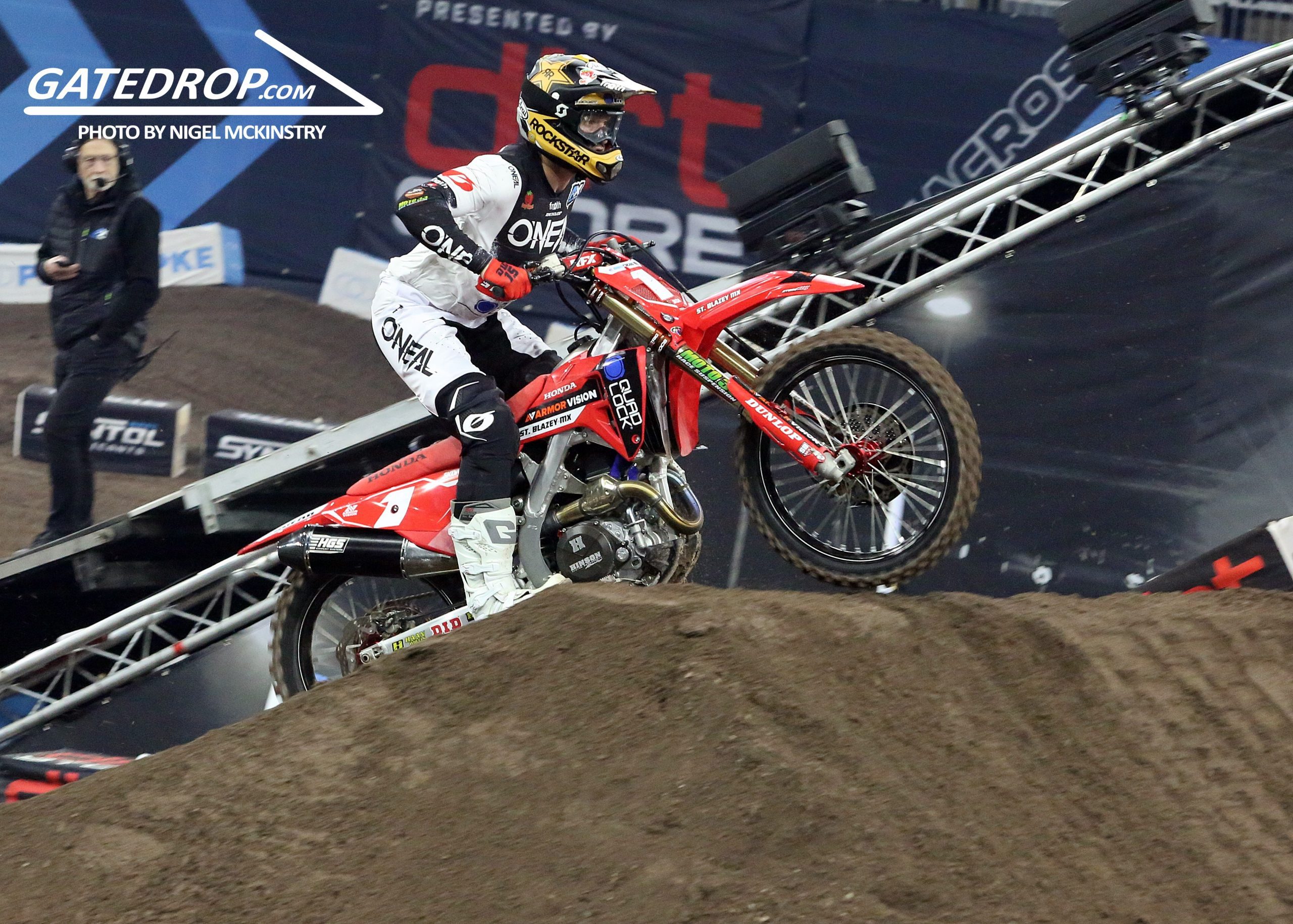
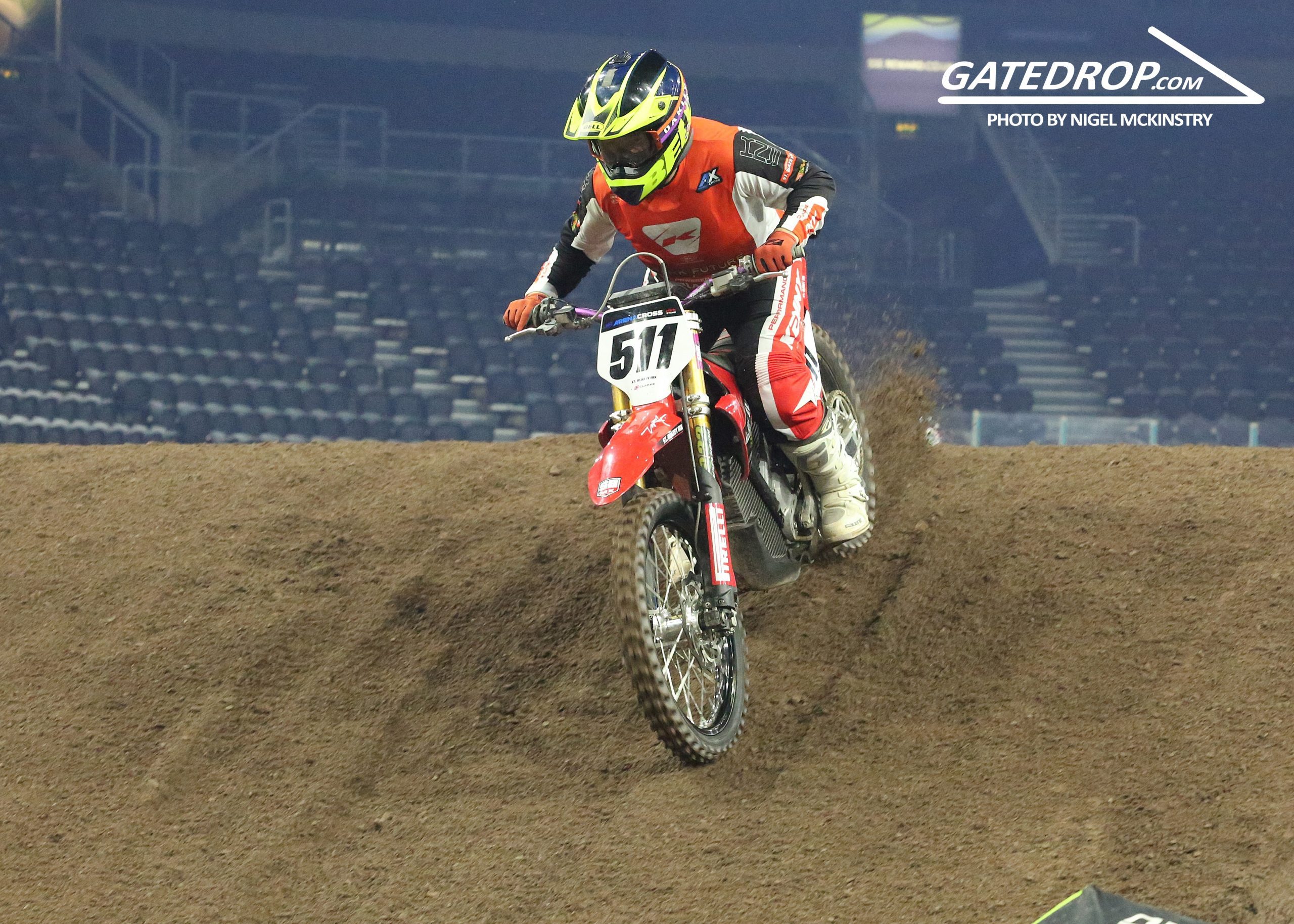
GateDrop: We’re at Arenacross here today, I mean you’ve got a lot of experience whether it’s in America racing Supercross, OZ and ADAC throughout the years. Now with Arenacross, how are you finding this championship and for you now is it more just about enjoyment?
Clarke: 100%. I’m busy with work and my fiancée is about to pop with a baby (the first). I am in the middle of renovating the house building baby stuff. I’ve been so busy that I haven’t got the time to put in to try and win. I’ve already been there and done it. Now I enjoy coming to the races seeing people that I’ve known for 20 odd years. Me and dad, we share a hotel and go out for dinner. That means more to me now than I would get from winning. Don’t get me wrong I would love to win one but I need a bit more time. I think next year I’m going to be a bit more free. I’ve started a business and that should be like rolling itself out by next year so I should have some time to actually put some effort in and try and win one.
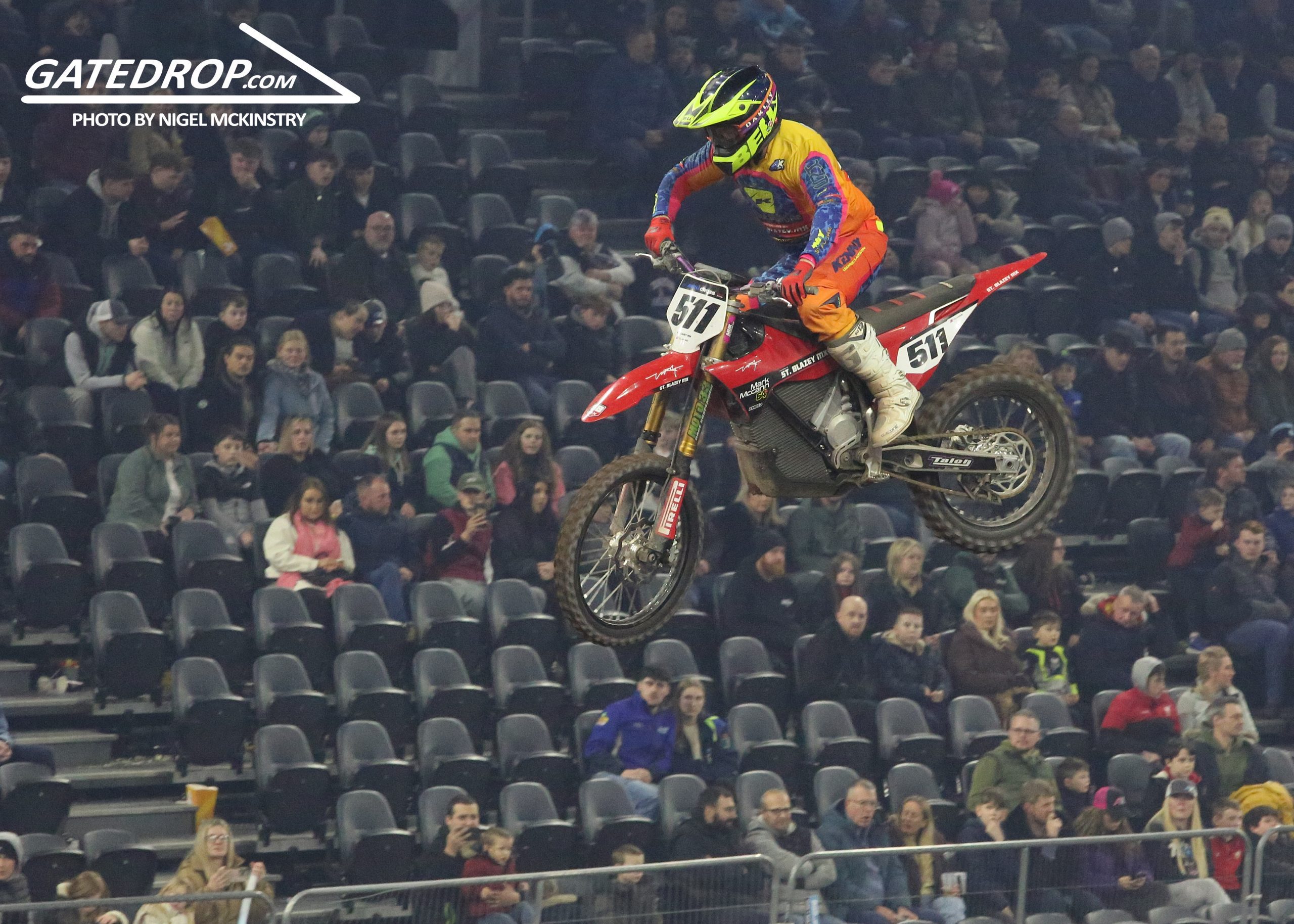
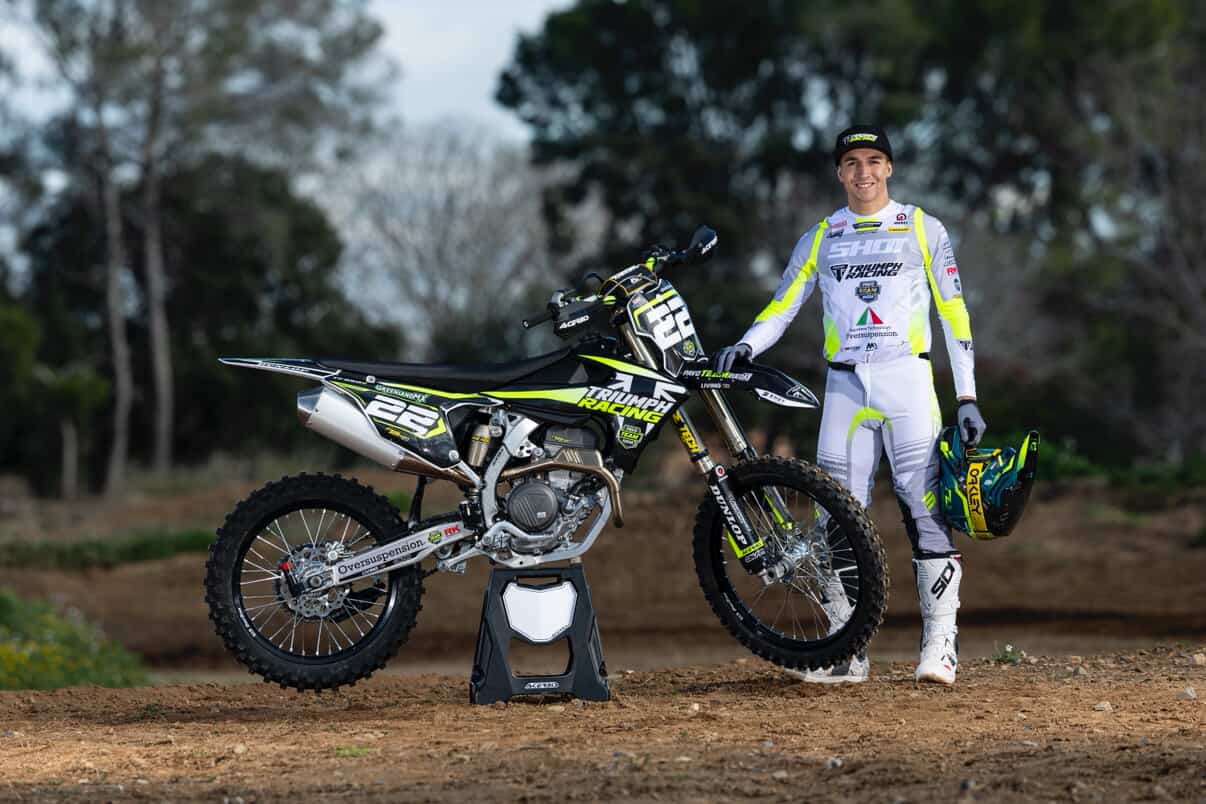
GateDrop: I was chatting to you earlier this morning you did tell me your plans are to do the British Championship on the Stark this year. That’s going to be cool, I think you’ll probably be the first rider to do it and is that going to be in the MX1 class? Are you looking forward to that?
Clarke: Yes, it’s the MX1 class. Absolutely, I mean Stark, what a brand. They are an amazing group of guys. I actually went out to Spain to do the launch and I’d already ordered one as soon as. I ordered an Alta when they were like a thing but then the company went bankrupt and luckily I got my deposit back. I was itching for an electric bike because this is the conversation we’re having today… Electric bikes, a lot of people hate them, a lot of people love them… But what you can’t deny about them is it’s opening up practicing spots.
I’ve got a five acre field at home with a dog kennel, a horse menage and a dog walking spot. In the morning you can’t ride a four-stroke there because it’s unfair on the animals around you. I can now ride every day at home if I have the time. That is what the Stark that’s brings and to be involved with a company like them… I mean everybody watches YouTube videos, the interviews with Anton, Ben and everybody. They are so dedicated to try and build a bike that’s competitive and hopefully I can be part of that journey with them. The battery life is going to be tight in some races – some are better than others but I’m hopefully going to help develop that throughout the year and get some data back on what needs to be built on and what needs to be improved on. It’ll be wicked in MX1, the 511 is coming in swinging (laughs)..
GateDrop: Just on your future it seems like you’re pretty settled down and especially with the kid coming. Is your future in the UK now did you ever think about going to America and living there or are you happy at home?
Clarke: No, I’m happy at home. If you’d have asked me this question 15 years ago I would have said America all day but it’s nice being at home with my family – my Mum and Dad and everybody. It’s nice being around everyone. For professional Motocross, I’m getting old, I’m seeing the bigger picture of it of, going away with my family camping and I can’t wait for the next generation to come and be part of it. Hopefully I can still be racing and riding more when it crosses over so I can teach them, go riding with them. That’s the goal.