
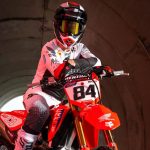
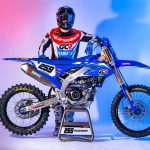
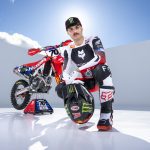
A brand-new team will line up in the EMX250 paddock in 2026 as Yamaha 115 M78 makes its debut, led by former GP rider Carlos Campano. Backed by Yamaha Brazil and built around one of South America’s brightest young prospects, Bernardo “Be” Tiburcio, the project is far more than a one-season experiment. It is a long-term vision aimed at giving Latin American talent the structure, guidance and international exposure needed to succeed on the European stage.
We caught up with Campano as he explains how the idea for the team came together in just a matter of months, the challenges of building a new structure from scratch and his hands-on role as a coach rather than a traditional team manager. He also opens up about Yamaha Brazil’s involvement, why Tiburcio was the right rider to launch the project with, and how Yamaha 115 M78 could evolve in the future.
GateDrop: Carlos, the Yamaha 115 M78 team has been formed and will enter the EMX250 series for the 2026 season. When did this idea first arrive and how did it all come together? It’s a lot of work to start a team!
Campano: Yes, it’s definitely a lot of work and there are many things to manage, especially at the beginning – or at least I hope that’s the hardest part. The process itself was actually quite short. Everything started around May 2025, with several trips to Yamaha in Europe and visits to some GPs. The original goal was simply to improve our Yamaha Brazil teams, both technically and organisationally, by learning how the factory team operates and how they handle certain situations. What began as a search for improvement in Brazil ended up, after a few adventures, becoming this new structure in just a few months.
GateDrop: What were the biggest challenges you faced while putting the team together?
Campano: The biggest challenge was coordinating all the different parts: the structure, the budget, European logistics and, above all, the human side. Motocross is a beautiful sport, but it’s also very tough and demanding and you really need a strong team of people around you. Every single member is important and has already made a difference. Luckily, I’m very well surrounded, and in many places we’ve been welcomed with open arms.
GateDrop: Can you tell me what exactly your role will be within the team?
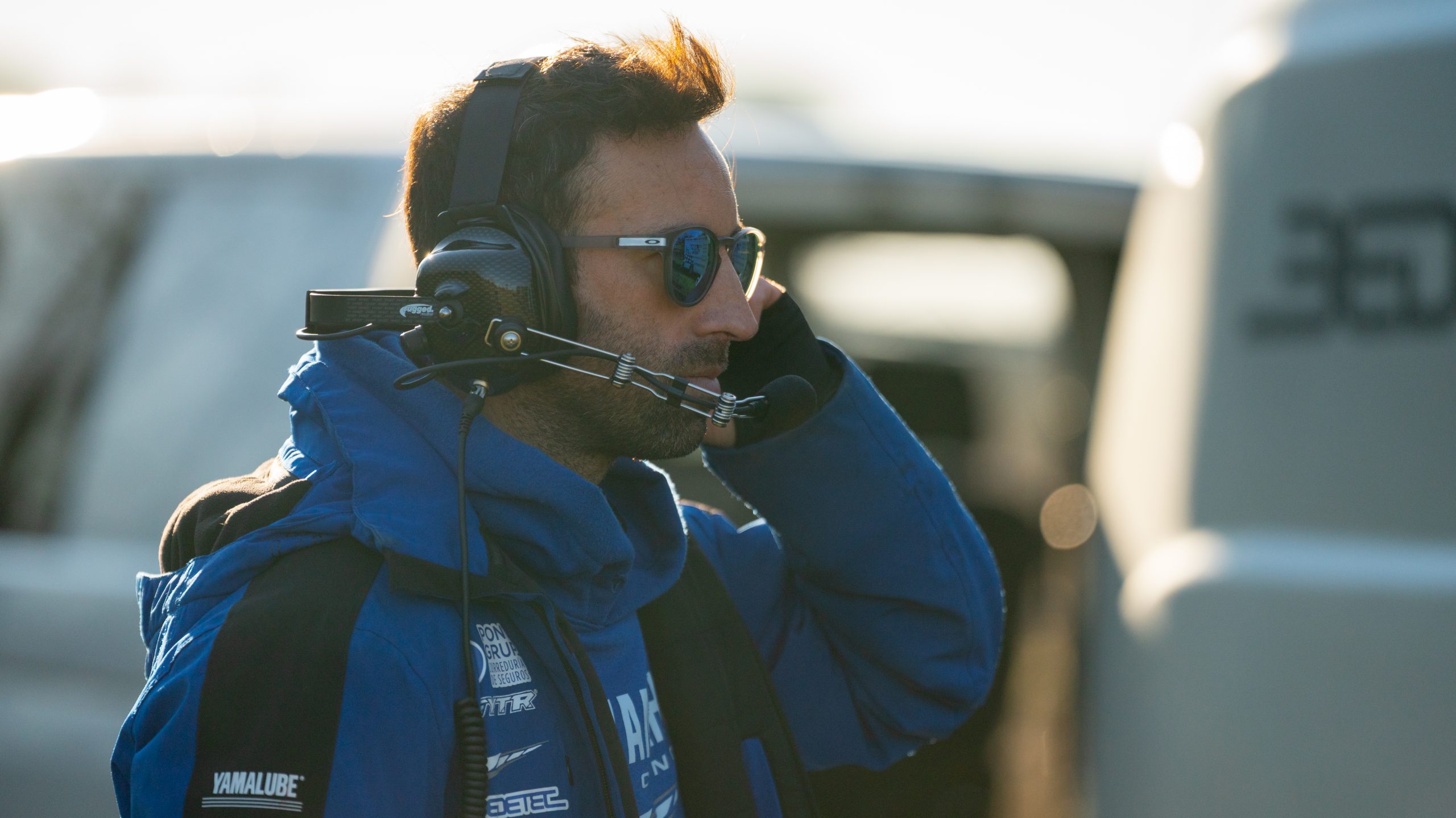
Campano: My main job this year is to take care of Bernardo. I truly believe that must be our priority. Moving to another continent, new tracks, a different pace, a different bike… it’s a huge change, and facing it while feeling supported can make a massive difference.
To achieve that, I use all my experience as a rider – in training, racing and bike setup. I don’t really see myself as a traditional team manager; I feel more like a coach, but with strong technical and organisational decision-making power. Yamaha Brazil’s marketing team takes care of sponsors and image, so my focus is more on training, technical work and overall organisation.
GateDrop: It’s been a while since you’ve been regularly in the GP paddock, are you looking forward to being back in the paddock again?
Campano: My last full season in the MXGP World Championship was in 2011, so yes, it’s been quite a few years! I competed in Brazil for more than 12 years, and now I’m linked with Yamaha Brazil, trying to help the team continue achieving success. Coming back to the GP paddock with such an exciting project is going to be a real pleasure.
GateDrop: It seems like Yamaha Brazil are involved in the project – what role will they play in the team?
Campano: They’re not just involved – they are the main driving force behind this project. It’s very rare to see a manufacturer invest outside its own territory, and I think that’s what makes Yamaha so special.
From Brazil, Yamaha has already been supporting not only Brazilian riders, but Latin American riders in general, helping them reach the Superbike World Championship through R15 and R3 cups, and then supporting the winners with a full structure under the direction of Alan Douglas.
With Yamaha 115 M78, we want to replicate that success in motocross as well, which is why Alan Douglas’ experience is also a key part of this project.
GateDrop: What stood out about Be Tiburcio as a rider and person that made you sign him for 2026?
Campano: Be stands out for his attitude, work ethic and natural talent. He’s very young, but mentally very mature, with a huge desire to learn, which is fundamental for us. He’s very focused and 100% committed to making it work.
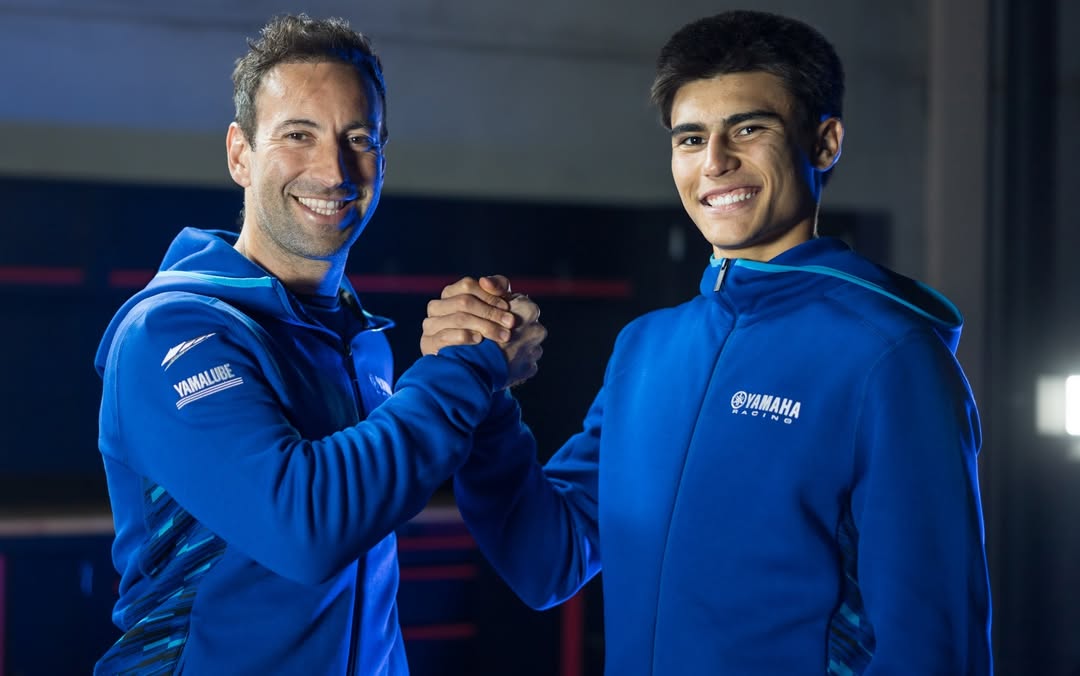
GateDrop: How do you see Tiburcio’s development progressing this year? What areas will the team focus on?
Campano: Above all, we want him to feel supported. I left home at 17 and spent my whole career living abroad, so I know how important it is to feel that support away from family. We need to show our rider that we’re going to work just as hard as he does.
Technically, he’s very strong, learns quickly and is very intelligent on the bike. Our goal is to put him in as many different conditions as possible so he can gain experience and always be competitive, and to help him avoid mistakes that we made in the past to shorten the learning process.
GateDrop: What expectations do you have for Tiburcio this season, and how will success be measured? Making the step to EMX250 will be a big step up for him!
Campano: We have to give him time. The most important thing is not to rush and to take the right steps. But I won’t lie – I have full confidence in him, and that’s why we’re working so hard to give him the best possible tools.
GateDrop: Is this team a long-term project – do you see it running for many years and in the future could you add more riders? Or has it mainly been set up for Tiburcio?
Campano: Be was probably the final push we needed to create the team. We couldn’t allow a Brazilian rider with his talent, speed and work ethic to miss the opportunity to prove himself at world level with proper support. We hope he’ll be the first of many. We’re already working on young talent in Brazil, and the results will come.
GateDrop: Could you see the team race MX2 or MXGP in the future?
Campano: Those are big words, but why not? We still have a long road ahead, but we definitely won’t start by putting limits on ourselves.
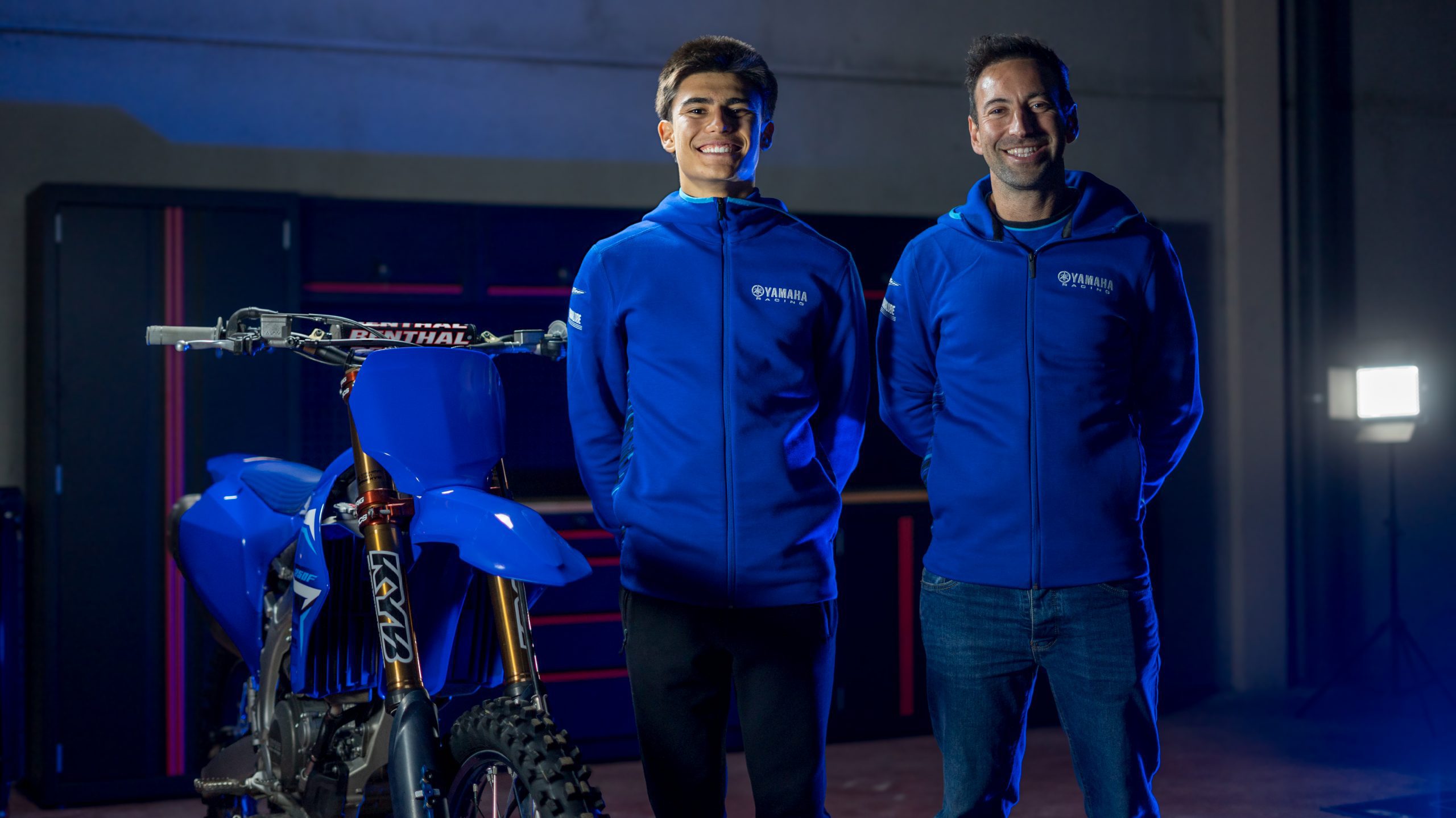
GateDrop: In the future, is it possible you’ll be free to sign whatever riders you want or is it likely to be a project that will mostly involve Brazilian talent with Yamaha Brazil involved?
Campano: The idea is to build a sustainable team with a long-term project and become as independent as possible, while of course Yamaha Brazil will always be a part of us.
GateDrop: When will Tiburcio get to Europe and start preparing for the 2026 season? I think it’s important to spend plenty of time in Europe before the season starts so he adapt to the tracks, weather etc…
Campano: We’ve already been working for some time in southern Spain, where our pre-season base is located. He’ll spend Christmas with his family, and then we’ll get straight back to work.
GateDrop: Will Tiburcio be based in Spain throughout the course of the season?
Campano: Yes. We want to move around quite a bit during the season to give Be as many different conditions as possible – pre-season in southern Spain, then later some time in France and Belgium. But yes, Brazil will mostly be just for occasional visits.
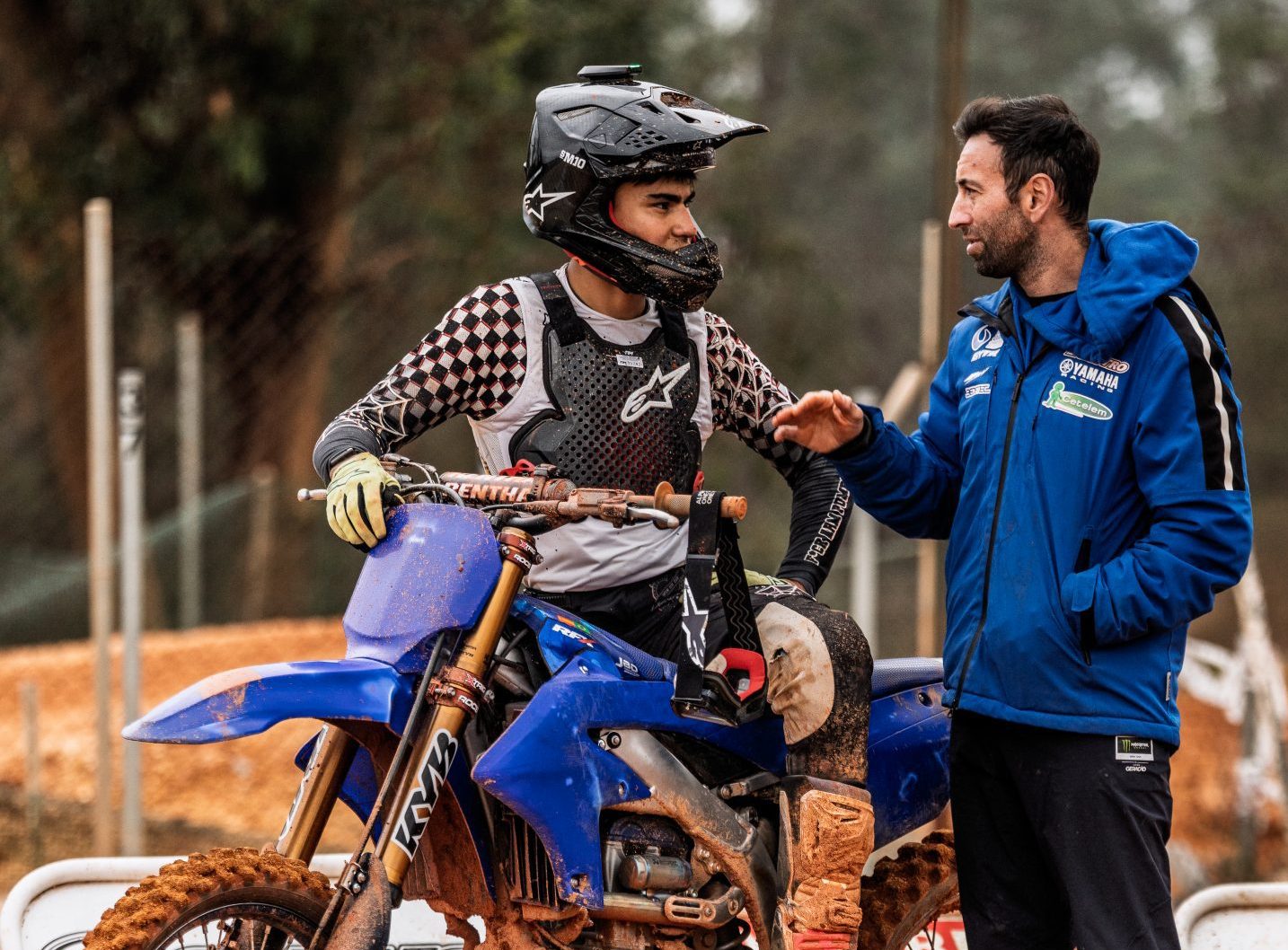
GateDrop: Has it been decided yet what pre-season races Tiburcio will contest? I think they’ll be important for him ahead of the EMX250 series so he can get a gauge on the competition…
Campano: He’ll compete in the Spanish Championship. There are some European-level riders and some very good tracks, so it will allow us to arrive with good race rhythm and maintain that level throughout the year.
GateDrop: You were also involved in Glenn Coldenhoff signing with Yamaha Brazil to race the Brazilian series in 2026. What role did you play in that deal?
Campano: The main role was played by Yamaha Brazil and Wellington Valladares, team manager of the new Yamaha C6 Bank IMS team. I know Glenn well, I’m a big fan of his, and even my brother works on his videos for the World Championship.
He asked me a few things about the brand, the races, the championship and the country, and I simply tried to share my experience of Brazil. You can imagine how I feel about a place where I lived for 12 years!
GateDrop: Perhaps we could see Coldenhoff under the Yamaha 115 M78 structure in 2026 to take on some MXGP World Championship events? That would be cool and give the team even more exposure!
Campano: Glenn will have his own structure in Europe for selected races that he considers interesting. But if he ever feels that racing with us is a good option, I can assure you that our doors will be wide open.
GateDrop: Fabio Santos is another ride I’ve always wanted to do more MXGP races, would there be an opportunity for him to race any events in Europe for your team?
Campano: Of course. Fabio will race some rounds of the Spanish Championship at the start of the year as preparation for the Brazilian season. We’d need to look at calendars, but it could be an interesting option.
We owe that to Fabio – when he was 17 or 18, based on his level, he should have made the step that Be is making now, but the right structure didn’t exist at the time. Our hope is that this doesn’t happen again and that Latin American talent can also shine in the World Championship.