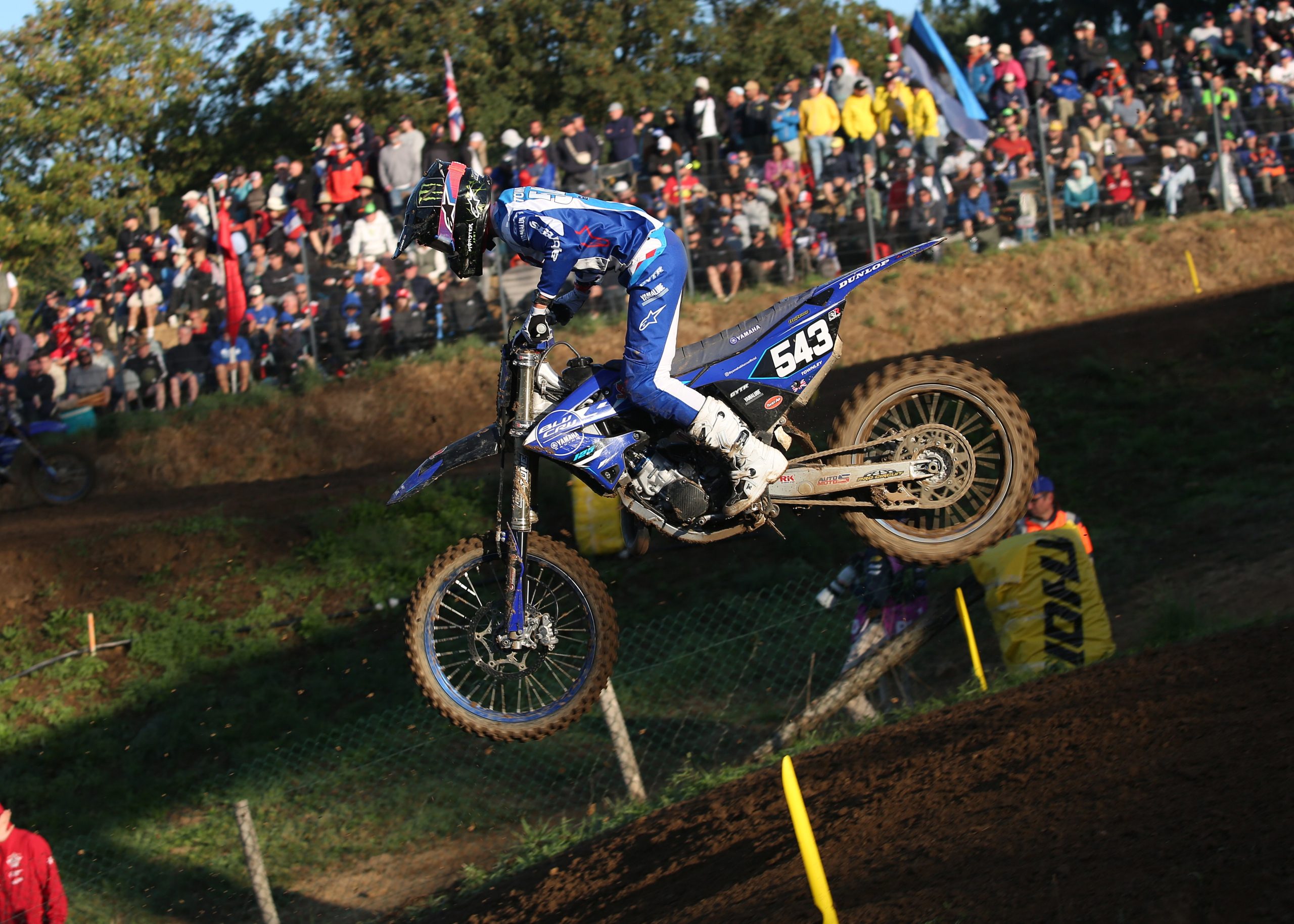
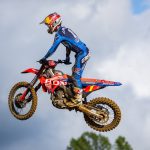
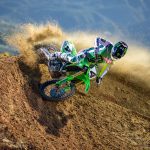
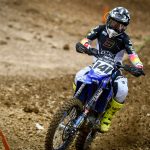

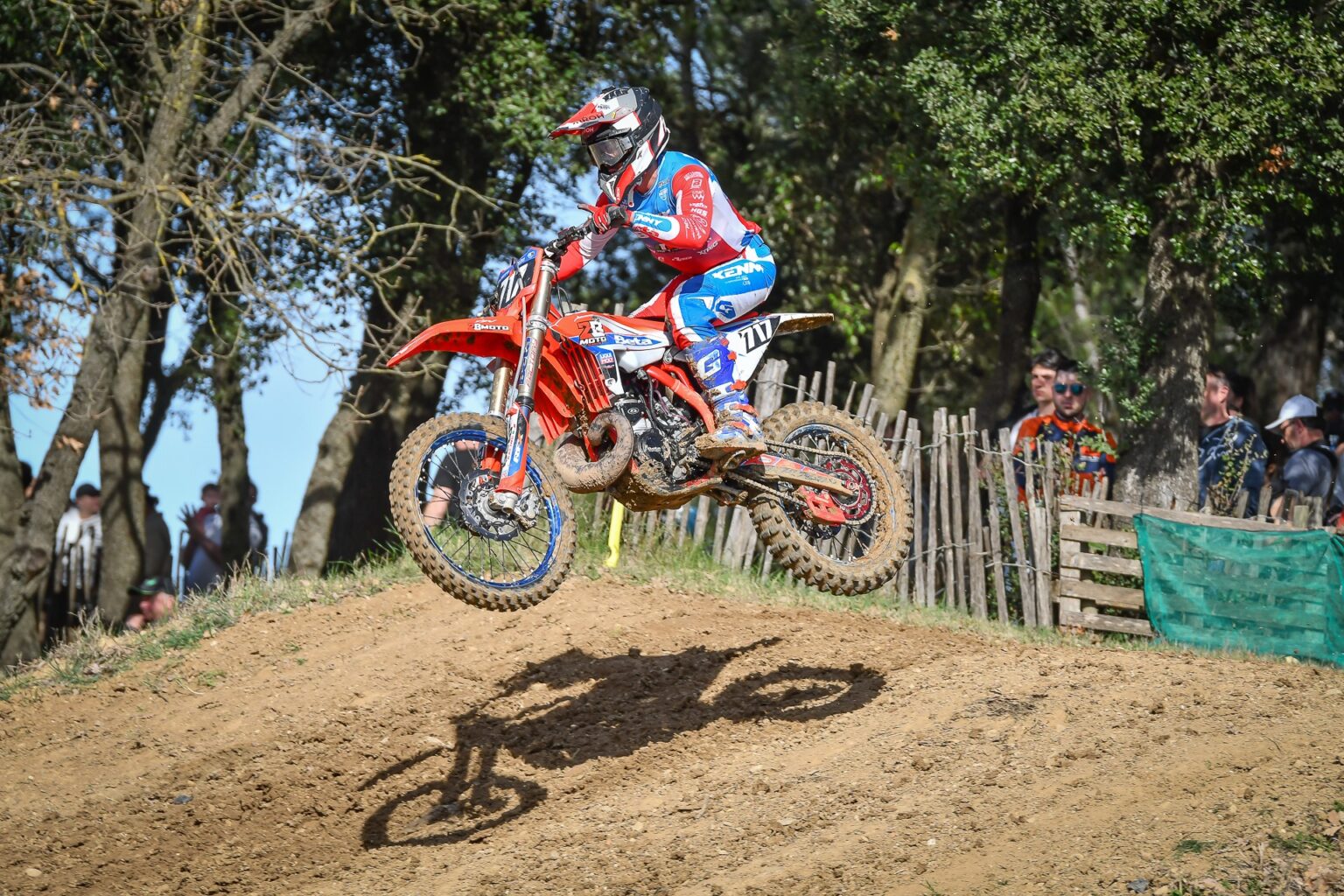
After a solid outing at the pre-season race in Sommières, Alexis Fueri left the track with a mix of satisfaction and realism. Finishing fourth in the MX2 class while going head-to-head with riders from the MX2 World Championship is an encouraging sign ahead of the new season, but the Frenchman knows there is still work to do. Coming off a winter spent training in the sand and transitioning back to hardpack conditions, he assessed his performance honestly, spoke about key moments from the day, and outlined his goals for the year ahead with the MRT Beta programme. In this interview with Kevin Frelaud, Fueri reflects on his race, his preparation, and why he believes 2026 could be a decisive season for his career.
Alexis, it was a great day for you at Sommières. You finished 4th in MX2, battling with riders from the World Championship. What’s your assessment?
Fueri: If we look back, it’s positive. I have to take it positively because I rode quite well. The results are good; the results are decent. But to stay objective with myself, I benefited from a few race circumstances, etc. And the riding still isn’t top yet. I’m coming back from a whole winter in the sand, so coming back onto hardpack is a bit complicated. There’s progress, but the riding wasn’t great, the feeling wasn’t the best. So we’ll get back to work.
You have to see the positives: I finished as the first MX2 rider from Europe if you take away the World Championship riders. So the objective is Europe; the goal is to fight for the title in Europe. But I came here wanting to beat some Grand Prix guys, and that wasn’t really the case. So we’ll get back to work. There’s Castelnau next week; I’m going to do the whole Elite series this year. The objective is to fight for the title in the Elite and in Europe.
To sum it up, it was a good preparation race. We worked well this winter with Jacky, with Tom [Vialle]. I had a great winter and now we have to keep going; the season will be long.
You still managed to beat a guy called Karlis Reisulis in the first moto. He’s a factory Yamaha rider and fighting for top 10 in the World Championship. I imagine there must be some satisfaction there?
Fueri: Yes. That part is great. I think he was in front with Mathis, then he crashed. When he got back up, he restarted about five seconds ahead of me. I worked my way back little by little, but I made mistakes. It took me a long time to get into the rhythm in the first moto. That’s something I regret a bit about the whole day; I was a little too passive.
I wasn’t really in it, honestly, and I was a bit tense. But toward the end of the first moto, I got into the rhythm, I came back, I put pressure on him and passed him. So I was quite surprised, but on the other hand I watch the races and I know there are moments when he tends to drop off a bit. I don’t know if he has problems or what, but it happens that he has some races that aren’t great and he fades like that. So, I’m not saying it’s not an objective. But I’m not telling myself: yeah, I passed Karlis Reisulis, incredible. It’s cool, it’s good for morale, but I would have preferred to pass his little brother instead [laughs].
What happened during the Superpole? You’ll have to tell me about that. I know Beta does enduro, but there it looked like you thought you were on a special stage [laughs].
Fueri: Yeah, the Superpole, honestly, I wasn’t in it. The track had dried out a bit. And during the sighting lap, I couldn’t feel confident in my line choices for the ones I was going to commit to. It’s not like a moto where you start, adapt, search and change. You have to be on it straight away. I made a huge mistake on a downhill and must have lost an easy second there. On the rest of the track I wasn’t incisive enough, not enough in “time attack” mode. I don’t know if it was due to the pressure of being alone on track in front of everyone, but it wasn’t great compared to timed practice. I’ll have to work on that; I’m not sure how yet, maybe I’ll need to go take some lessons from Aranda!
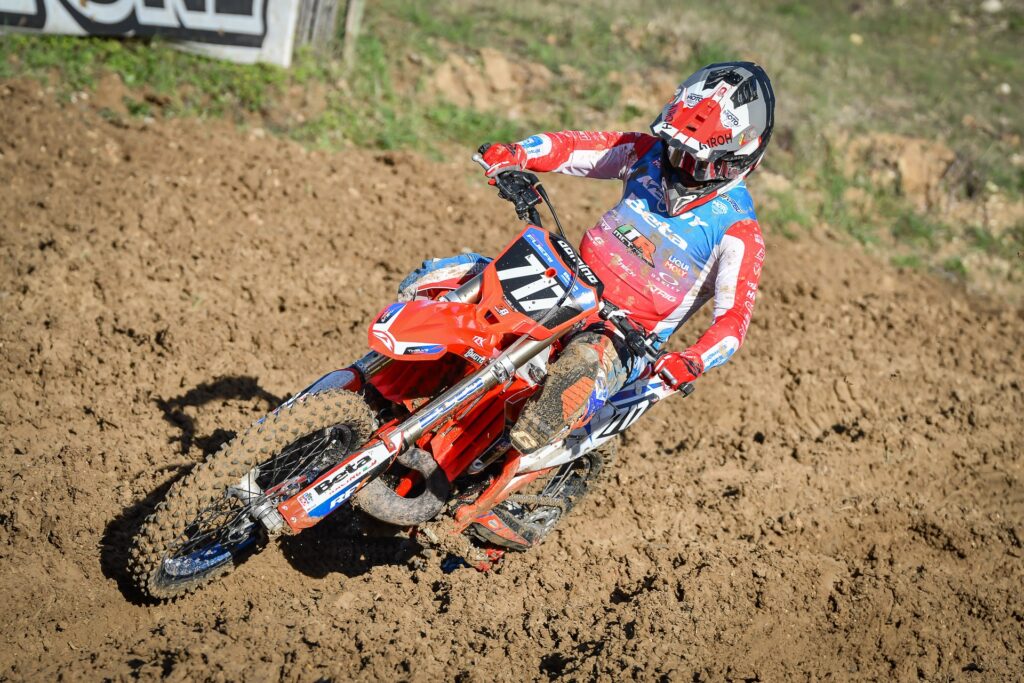
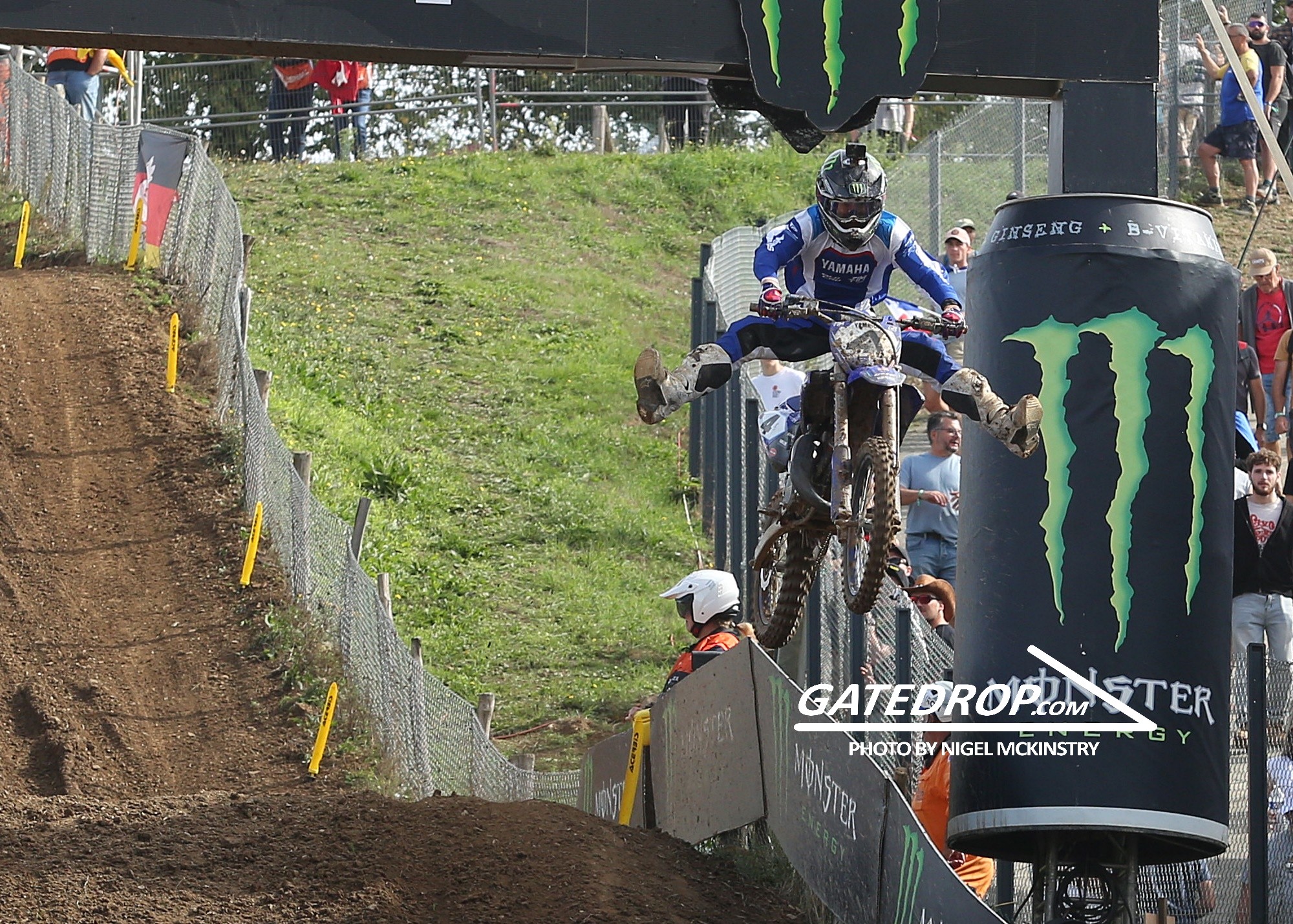
The uphill camel jump… what happened there, Alexis? You were one of the only guys up front who stopped sending it.
Fueri: I’m not shy with jumps; I send them. It’s just that we struggled a bit this morning and in the first moto with the carburation. I was a bit rich at high revs. I didn’t feel it everywhere on the track. But at that spot, because you’re under load just before the jump, I was a bit rich. In the first moto I was coming up short every time. We changed it for the second moto and it was better. The problem is that it also comes from me. I was taking it too far to the right and the take-off was a bit lower on that side. After that I understood you had to go in the middle, in the ruts. It’s true that I was very inconsistent there, and it cost me a few good laps in the motos.
What did you think of the track? When I leave Sommières, every time I think it’s really tough to ride here. Ruts everywhere, deep, blind jumps. A big track. Actually, I think it impresses me more than some GP tracks.
Fueri: Honestly, the only tracks like that in my opinion are maybe in Switzerland, or at Ernée when it rains, you know? But it’s a great track for training, with big ruts. I live three hours away, but for some reason I’d never been here before, so it was a discovery. But honestly, it’s great. Nice jumps, a good texture. I’d just say they were a bit optimistic with the watering in some places.
Vuillemin talks about it a lot in the USA too. Sometimes they water and rip the track too much. It’s good, but when it dries, there’s only one line that dries and only one good line all day. Whereas if you water a bit less and keep the track good all day, you can move around more. There, the ruts were too big; you couldn’t try to cut back or do anything.
That’s one point, but I’m not criticizing the track—it was great for training. It allowed us to see where the bike is at and where I’m at. I’ll need to go and eat up more ruts in the dirt like that.
You rode in Italy, now you’ve done Sommières. What’s the next area to work on?
Fueri: We’re going to work on speed at the start of the moto. Speed in general, actually. To be objective, I think I’m missing a bit. I need to ride more hardpack and long ruts. Sometimes I was a bit off-balance in the ruts and lost a bit of stability. It wasn’t as clean as I would have liked. Maybe the winter in the sand played a role and means I’m lacking a bit of precision on hardpack.
But we’ll have to work a bit more and get the rhythm back. And I think there’s also a big job in terms of confidence and mentality. Sometimes when you end up off-balance in the ruts, it’s because you don’t fully believe in yourself. You don’t really throw yourself into it; that’s it.
Far be it from me to put pressure on you, because I think you already put enough on yourself. But we have to be aware that 2026 is the year or never.
Fueri: That’s it. For me, it’s the year or never. And even if it’s the perfect year, I’m aware that it’ll be complicated to move up to the Grand Prix with a competitive bike because I’m 21 and teams look a lot at age. I lost two years. So I’m aware that if I really want to have a competitive bike, I need to dominate in Europe. And that’s the objective.
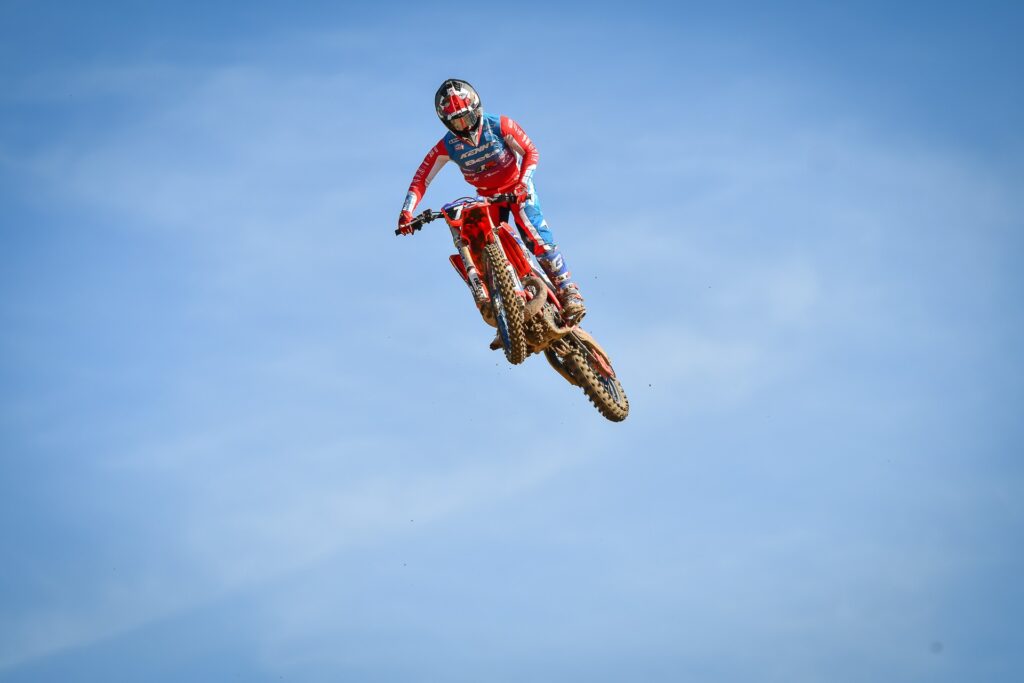
Do you feel that with this MRT Beta program you’re in the best situation you’ve been in all these years in Europe?
Fueri: Honestly, it’s the best winter I’ve had. It’s the best structure I’ve had. Speaking about MRT, but especially Beta—the factory—they’re great. I thank them, by the way. They listen. I’m not a very demanding rider. I just want a training bike and I ride. But I have everything I need to train. Honestly, I’m in very good conditions. There’s no reason it shouldn’t work. Now it’s up to me to put in the work. I know I lost time over the last two years. So it’s hard to make up time. But I think we can do something good this year with them.
How is it working with Jacky Vimond?
Fueri: Jacky is great. I thank him a lot for taking me a bit under his wing. I spent the whole month of November with him, in the same apartment. We’re on the phone every day. We message each other every day. Honestly, he brought me into his group in January, with Tom, even though he didn’t have to. Maybe he didn’t even have the right to, technically. Honestly, it’s great.
He brings me a lot on the bike technically, but also mentally, in his vision of how to see things, etc. It’s great. On top of that, I’m still in contact and when I’m in France I go train with Quentin [Thomas]. So the two complement each other. I learned a lot with Quentin, but Jacky teaches me other things. So I mix the two. And honestly, when I get on the bike, I’m at my best. He puts me in very good mental conditions, and I thank him a lot.
Because Jacky… I don’t know how to explain it. It’s Jacky. I think he’s one of the best trainers in the world. When you see that there are foreign riders who have been trained by Jacky, it’s not for nothing. And Tom, coming back from the US—if he chose Jacky, it’s not for nothing either.